Top 10 Benefits of Plastic Injection Molding Technology?
Plastic Injection Molding has transformed manufacturing in countless industries. This technology offers efficiency, precision, and cost-effectiveness. David Chen, a leading expert in the Plastic Injection Mold sector, states, “The versatility of plastic injection molds shapes the future of production.”
In recent years, businesses have increasingly turned to this technique. The ability to create complex designs is one of the key advantages. High-volume production can be achieved with minimal waste. However, there are challenges that demand attention. Quality control is vital. Ensuring consistency while pushing for innovation requires balance.
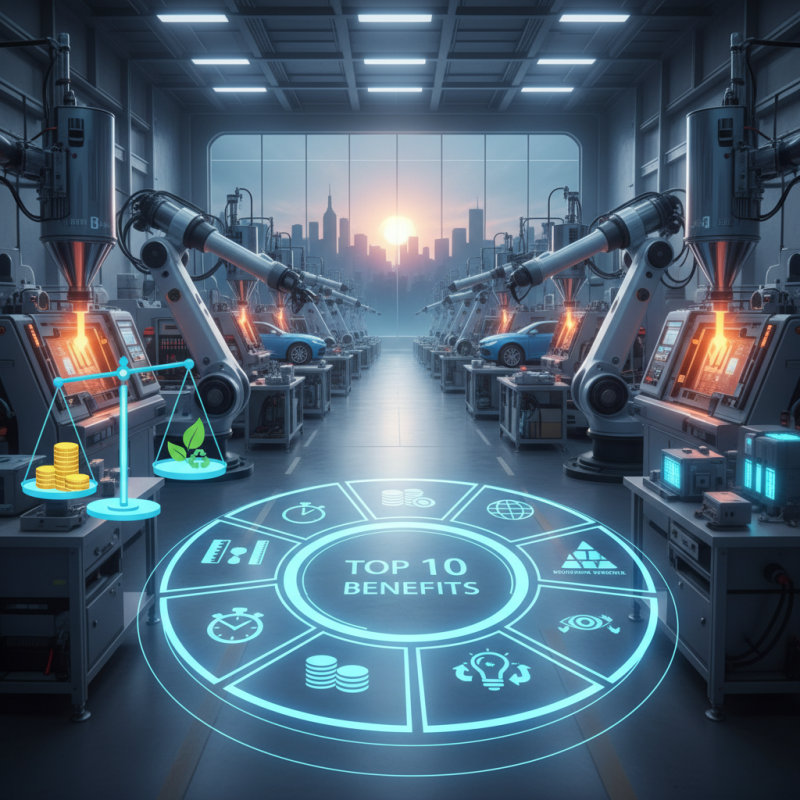
These benefits are impressive, but they come with caveats. The initial setup cost can be daunting for small enterprises. Additionally, the environmental impact of plastics is a concern. Companies must navigate these issues while harnessing the advantages of Plastic Injection Mold technology. Thus, companies may find themselves at a crossroads, balancing economic benefits against ethical considerations.
Advantages of Plastic Injection Molding in Manufacturing Processes
Plastic injection molding has become a fundamental method in modern manufacturing. This technology offers excellent precision in producing parts. The ability to create complex shapes efficiently is one of its standout features. Manufacturers can often reduce material waste with this process. In fact, it allows tight tolerances that can enhance product quality. Every detail counts when producing large quantities of items.
Another significant advantage is the speed of production. Injection molding can produce thousands of identical parts quickly. This rapid turnaround helps meet high demand in many industries. However, the initial cost for molds can be high. It requires a careful assessment of long-term benefits versus upfront investment. Additionally, some designs may require continuous refinement. This can lead to unforeseen delays. Overall, while the advantages are substantial, it’s important to recognize these potential challenges as well.
Cost Efficiency of Plastic Injection Molding for High-Volume Production
Plastic injection molding technology offers significant cost efficiency, especially for high-volume production. This method allows manufacturers to produce large quantities of parts at a reduced cost per unit. According to a 2022 industry report, companies can save up to 80% in production costs when switching from traditional manufacturing methods to injection molding for high-volume runs. The machinery streamlines the process, minimizing labor costs and reducing waste.
Additionally, plastic injection molding provides precise control over material use. For instance, each cycle can yield complex parts with consistently accurate dimensions. This precision contributes to fewer defects and lower material expenses. Studies indicate that manufacturers can achieve up to 95% material utilization with advanced molding processes. However, the initial setup cost can be a barrier for small projects or startups.
It’s important to weigh these factors carefully. While the long-term savings are evident, the upfront investment might be daunting for some. Also, not all designs are suitable for injection molding. Complex geometries can lead to increased tooling costs, somewhat offsetting efficiency gains. Balancing design needs with cost considerations requires careful planning and reflection on project goals.
Top 10 Benefits of Plastic Injection Molding Technology
| Benefit | Description | Impact on Cost Efficiency |
| High Production Speed | Plastic injection molding allows for rapid production cycles, significantly reducing time to market. | Lower labor costs due to efficient automation. |
| Material Efficiency | Minimizes scrap and waste as it uses only the necessary amount of polymer. | Reduced material costs lead to overall lower production expenses. |
| Complex Geometries | Enables the creation of intricate designs that would be difficult or impossible with other methods. | Enhanced product features can justify higher price points. |
| Consistency and Quality | Produces highly consistent parts, improving quality assurance. | Less rework and rejection leads to cost savings. |
| Scalability | Easily scales up for increased production without significant changes to the process. | Economies of scale can improve margins over high-volume production. |
| Low Labor Costs | Most operations can be automated, reducing the need for manual labor. | Decreases operational costs and improves profit margins. |
| Material Variety | Compatible with diverse materials like ABS, PVC, and polycarbonate enhancing adaptability. | Flexibility in material choices can reduce costs per unit. |
| Less Energy Consumption | Modern machines are designed to be energy efficient, using less power than older technologies. | Lower energy bills contribute to cost efficiency. |
| Reduced Lead Times | Quicker setup and turnaround mean faster delivery to customers. | Quicker production results in improved cash flow and inventory management. |
| Sustainability | Recyclable materials and reduced waste contribute to environmentally friendly practices. | Potential savings from recycling and sustainable practices add long-term cost benefits. |
Diverse Material Options Available in Plastic Injection Molding Technology
Plastic injection molding technology offers a wide range of material options, making it adaptable for various applications. According to a report by MarketsandMarkets, the global plastic injection molding market is projected to reach $300 billion by 2025. This growth highlights the increasing demand for diverse materials like thermoplastics, thermosetting plastics, and bioplastics. The versatility of these materials allows manufacturers to create parts that meet specific engineering requirements.
Thermoplastics, for example, are favored for their recyclability and flexibility. They can be molded into complex shapes, which is crucial in industries like automotive and consumer goods. Meanwhile, thermosetting plastics provide excellent heat resistance, making them ideal for electronic components. However, not all materials perform equally under stress, which can lead to failures. Designers must carefully select the right material for each application, balancing cost and performance.
Bioplastics are gaining traction as eco-friendly alternatives. They can reduce the environmental footprint of products. Yet, their durability and long-term performance still face scrutiny. Industry reviews point to a need for further research on bioplastics to overcome these limitations. The challenge lies in finding the right balance between sustainability and functionality in production.
Enhanced Design Flexibility and Precision in Plastic Injection Molding
Plastic injection molding offers remarkable design flexibility. This technology allows for the creation of intricate shapes and complex geometries. Designers can easily modify prototypes, adapting to client needs. The process permits the use of various materials, enhancing the overall product appeal. Colors, textures, and finishes can be tailored, making products more attractive.
Precision is another critical benefit of this technology. High accuracy ensures that components fit together seamlessly. This leads to improved functionality and reduces waste during production. However, achieving this precision can be challenging. Equipment calibration and material consistency are vital. Small deviations can impact product performance, requiring ongoing evaluation and refinement. Designers must be attentive to details to avoid these pitfalls.
Top 10 Benefits of Plastic Injection Molding Technology
This chart illustrates the top benefits of plastic injection molding technology, showcasing how each benefit ranks in importance based on industry feedback.
Sustainability and Environmental Benefits of Plastic Injection Molding
Plastic injection molding technology offers significant sustainability and environmental benefits. It is a highly efficient manufacturing process. According to a report by the Plastic Industry Association, this method can reduce material waste by as much as 90%. Utilizing advanced molds, manufacturers can create parts with precision. This accuracy cuts down on excess material, which is beneficial for the environment.
Moreover, plastic injection molding allows for the use of recycled materials. The American Chemistry Council states that about 3.3 million tons of plastic were recycled in 2020. Using recycled plastics contributes to lower energy consumption. This process typically uses 30% less energy compared to traditional manufacturing methods. However, the recycling infrastructure is not perfect and varies globally. Many regions still face challenges in recycling effectively.
Some critics highlight the ongoing environmental concerns associated with plastics. While injection molding is efficient, it is crucial to question the sources of these materials. Not all plastics are created equal regarding environmental impact. There are still gaps in biodegradable options. The industry needs to address these limitations to achieve better sustainability and meet consumer expectations.