Top Autonomous Cleaning Robot Manufacturers to Buy?

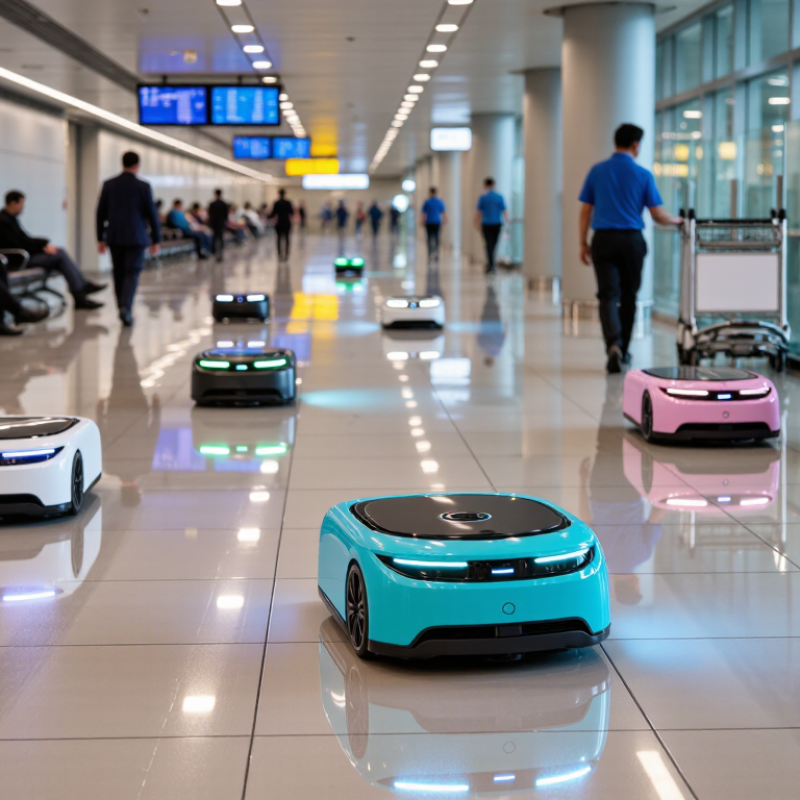
The search for the Top Autonomous Cleaning Robot Manufacturers to Buy? begins with evidence, not glossy demonstrations. Commercial cleaning robots now move through airports, hospitals, warehouses, and supermarkets, often working beside people during busy hours. The International Federation of Robotics reported nearly 200,000 professional service robots sold worldwide in 2023, representing annual growth of about 30%. Cleaning remains one of the industry’s most visible applications.

The numbers are encouraging.

However, adoption is not automatic. Interact Analysis identifies commercial cleaning robots as a growing market, supported by labor shortages, rising facility standards, and demand for measurable productivity. A machine that maps a tiled corridor accurately may still struggle with cables, reflective floors, or a crowded food court. These details matter more than a polished product video. They reveal whether a manufacturer has real deployment experience.

Marina Bill, President of the International Federation of Robotics, observed, “Service robots are becoming more and more important in our daily lives.” Her statement captures the wider shift, but buyers need sharper questions. Can the Autonomous Cleaning Robot integrate with existing facility systems? How quickly does it recover from errors? Are maintenance teams trained, and are performance claims independently tested? No ranking is perfect. Some manufacturers publish impressive figures without explaining test conditions. This guide therefore compares leading brands through navigation reliability, cleaning performance, safety design, after-sales support, and total ownership cost. The strongest choice may not be the fastest robot. It may be the one that quietly finishes every route, night after night.
Top Autonomous Cleaning Robot Manufacturers to Buy?

What Are Autonomous Cleaning Robots?

Top Autonomous Cleaning Robot Manufacturers to Buy?

An autonomous cleaning robot is more than a machine that moves across a floor. Under ISO 8373:2021, autonomy means performing intended tasks from sensor data, with limited human intervention. These robots typically combine lidar, cameras, ultrasonic sensors, mapping software, and safety controls. They can detect walls, furniture, people, spills, and changing routes. Some scrub, vacuum, sweep, or transport waste.

Industry demand is becoming measurable. The International Federation of Robotics reported nearly 205,000 professional service robots sold in 2023, about 30% more than in 2022. Its World Robotics 2024 report identifies professional cleaning as an established service-robot application.

This growth matters when comparing manufacturers. Look for documented uptime, navigation accuracy, battery endurance, recovery after obstacles, and local maintenance support. A polished demonstration is not enough. Real facilities have cables, wet patches, narrow aisles, and unexpected visitors. Autonomy can still fail there.

Tips: Request a live site trial. Measure cleaned square metres per hour, water use, missed areas, noise, and operator intervention. Check whether maps export easily and whether software updates remain supported. Also review independent testing, warranty terms, training, and replacement-part availability. Grand View Research’s cleaning-robot market analysis points to commercial facilities as a major demand segment, but adoption is not automatically efficient. A smaller robot may outperform a larger model in crowded corridors. That detail is easy to overlook.
How Autonomous Cleaning Robots Work

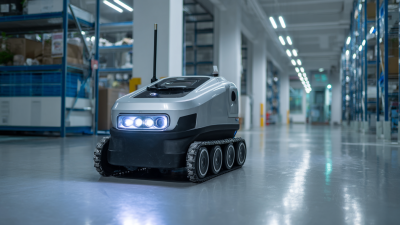
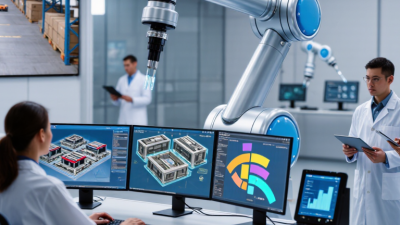
Autonomous cleaning robots combine sensing, software, and mechanical cleaning tools. Their sensors scan walls, furniture, people, and floor edges. A mapping system then creates a digital layout of the area. Many machines use cameras, laser scanning, or ultrasonic signals to estimate distance. This process is often called simultaneous localization and mapping, or SLAM.

The robot compares its position with the map while moving. It chooses routes that reduce missed sections and repeated passes. Brushes loosen dust, while suction lifts particles into an internal container. Some models also use rotating pads and controlled water flow for hard floors. When battery power becomes low, the robot can return to a charging station. It may resume cleaning from the unfinished area later.

In practical workplaces, obstacle detection matters as much as cleaning strength. Cables, wet patches, and low furniture can interrupt movement. No system is flawless. Dark surfaces may confuse optical sensors, while reflective floors can affect distance readings. Regular sensor cleaning and map checks improve reliability. Operators should also inspect brush wear, filter blockage, and collected debris. A robot can work independently, but human oversight remains necessary. Small errors still happen.

Top Autonomous Cleaning Robot Manufacturers to Buy? - How Autonomous Cleaning Robots Work

A practical comparison of autonomous cleaning robot categories, operating methods, navigation systems, and typical performance parameters. Values shown are common industry ranges rather than specifications for any particular company or brand.

Robot Category Primary Cleaning Method Typical Operating Environment Navigation and Mapping Typical Cleaning Width Typical Runtime Automation Functions Key Buying Considerations
Autonomous Floor Scrubber Rotating brushes or pads apply cleaning solution, mechanically scrub the floor, and recover wastewater with a squeegee and vacuum system. Shopping centers, warehouses, airports, hospitals, schools, and large commercial buildings. LiDAR, cameras, ultrasonic sensors, inertial sensors, wheel encoders, and simultaneous localization and mapping (SLAM). Approximately 50–130 cm Approximately 2–6 hours per charge Route planning, obstacle detection, automatic water and detergent control, docking, charging, and task reporting. Recovery performance, brush pressure, tank capacity, floor-surface compatibility, safety certification, and service support.
Autonomous Sweeper Rotating side brushes and a central roller or vacuum system collect dust, sand, litter, and loose debris. Warehouses, distribution centers, parking structures, factories, and large indoor public areas. LiDAR or 3D cameras combined with proximity sensors, inertial measurement, and digital maps. Approximately 60–160 cm Approximately 3–8 hours per charge Scheduled routes, automatic speed adjustment, obstacle avoidance, dust monitoring, return-to-charge, and fleet monitoring. Dust-control efficiency, filter design, hopper capacity, noise level, turning radius, and performance on uneven surfaces.
Autonomous Vacuum Robot One or more brushes loosen debris while an electric fan creates suction to collect fine dust and small particles. Offices, hotels, retail stores, residences, and other mainly dry indoor environments. Laser-based mapping, cameras, infrared sensors, bump sensors, and cliff or drop detection. Approximately 20–45 cm Approximately 1.5–4 hours per charge Room mapping, no-go zones, scheduled cleaning, automatic docking, self-emptying on selected systems, and mobile monitoring. Suction airflow, brush design, battery replacement options, navigation reliability, filtration, and carpet performance.
Autonomous Carpet Extractor Sprays a controlled amount of solution, agitates carpet fibers, and extracts moisture and dissolved soil through vacuum suction. Hotels, convention centers, offices, airports, and other carpeted commercial facilities. LiDAR, cameras, inertial sensors, wheel odometry, and mapped route planning. Approximately 40–90 cm Approximately 2–5 hours per charge Programmable cleaning patterns, solution-flow control, obstacle avoidance, automatic docking, and cleaning-status records. Moisture recovery, drying time, solution-tank capacity, carpet compatibility, noise, and maintenance requirements.
Autonomous Outdoor Sweeper Mechanical brushes and suction collect leaves, dust, gravel, and other loose debris from paved outdoor areas. Campuses, pedestrian zones, logistics yards, parking areas, and private roads. LiDAR, GNSS or RTK positioning where available, cameras, radar, and inertial navigation. Approximately 70–180 cm Approximately 4–10 hours per charge Geofenced operation, route scheduling, remote supervision, obstacle detection, automatic return, and work-zone management. Weather resistance, slope capability, debris capacity, outdoor localization accuracy, tire traction, and regulatory compliance.
Autonomous Multi-Function Cleaning Robot Combines two or more functions, such as vacuuming, sweeping, scrubbing, mopping, or disinfectant application, using interchangeable or integrated modules. Mixed-floor facilities that require several cleaning tasks during a daily operating cycle. Multi-sensor SLAM using LiDAR, cameras, ultrasonic sensors, inertial measurement, and wheel encoders. Approximately 40–120 cm Approximately 2–8 hours per charge Task sequencing, route optimization, automatic mode selection, docking, fleet dashboards, alerts, and usage analytics. Module-change time, software interoperability, cleaning consistency, consumable cost, training, and total cost of ownership.
Autonomous Disinfection Robot Uses ultraviolet-C light or a controlled chemical application system to treat exposed surfaces or air; cleaning and disinfection are not identical processes. Healthcare facilities, laboratories, hotels, offices, transit areas, and controlled commercial spaces. LiDAR, cameras, obstacle sensors, mapped routes, and safety interlocks that restrict operation around people. Typically defined by treatment coverage rather than cleaning width Approximately 1–4 hours per charge Room mapping, timed treatment cycles, exposure monitoring, access control, remote supervision, and completion reports. Validated dose or chemical concentration, human-safety controls, room geometry, ventilation requirements, and regulatory approval.

How autonomous cleaning robots work: The robot combines sensors for perception, software for mapping and route planning, actuators for movement and cleaning, and control systems for safety. It continuously compares sensor data with its stored map, detects obstacles, adjusts its path, performs the assigned cleaning action, and usually returns to a charging or service station when the task is complete or the battery is low.

Key Features for Comparing Robot Manufacturers

Top Autonomous Cleaning Robot Manufacturers to Buy?

Comparing robot manufacturers requires more than reviewing glossy demonstrations. Start with cleaning performance in your real environment. Test dust removal, liquid recovery, edge cleaning, and operation on uneven floors. A polished showroom is not enough. Measure results.

Navigation technology deserves close attention. Reliable systems should map changing spaces, avoid people, and recover after unexpected obstacles. Ask how the robot handles narrow aisles, glass doors, ramps, and temporary barriers. Battery capacity matters, but charging speed and route planning matter more during busy shifts. A robot that stops repeatedly can weaken productivity.

Examine the manufacturer’s service structure carefully. Check training, spare-part availability, software updates, warranty terms, and response times. Request maintenance records from comparable installations when possible. Data security also needs practical answers, especially when maps and operational reports are stored online. Independent safety testing and clear compliance documents increase confidence.

Real-world trials reveal weaknesses quickly. Run a controlled pilot during normal working hours. Track labor hours, water use, coverage, missed areas, and operator interventions. Do not trust one impressive metric. A system may clean quickly but require frequent supervision. That trade-off is easy to overlook. I have found that simple reporting often exposes more than advanced dashboards. Manufacturer support can also vary after installation, so contract details deserve the same attention as hardware specifications.

Top Autonomous Cleaning Robot Manufacturers to Consider

Choosing autonomous cleaning robot manufacturers requires more than comparing speed and battery claims. Consider suppliers with proven experience in warehouses, hospitals, offices, and retail spaces. Their machines should handle narrow aisles, uneven flooring, spilled liquids, and changing foot traffic without constant supervision.

Look closely at navigation performance. A dependable robot should map rooms accurately, avoid people, and return to its charging station without blocking entrances. During a facility trial, test it near glass doors, dark corners, loose cables, and crowded shelves. Check cleaning results under real lighting conditions. Ask about brush replacement, battery lifespan, software updates, and local technical support. These details often matter more than a polished product demonstration.

No machine is flawless. A robot may miss edges, pause around unexpected objects, or require manual cleaning in tight spaces. Manufacturers worth considering should explain these limits clearly. They should provide measurable performance data, safety documentation, operator training, and responsive maintenance plans. Review customer references from facilities similar to yours, not only large showcase sites. Total ownership cost also deserves attention, including consumables, service visits, downtime, and staff supervision. A lower purchase price can become expensive when recovery is slow. The best choice may not be the fastest model; it may be the one that works consistently at 6 a.m., leaves dry floors, and gives managers useful operating reports.

Top Autonomous Cleaning Robot Manufacturers to Consider

This vendor-neutral evaluation framework highlights the criteria buyers commonly use when comparing autonomous cleaning robot manufacturers. The percentages represent suggested decision weights rather than company or brand performance data.

How to Choose the Right Manufacturer for Your Facility

Choosing the right autonomous cleaning robot manufacturer starts with your facility’s daily reality. Measure floor area, surface types, aisle widths, obstacles, and cleaning schedules. A robot that performs well in a showroom may struggle beside loading docks or crowded reception areas.

Ask manufacturers for a supervised site trial. Watch how the robot handles spills, reflective floors, tight corners, and unexpected people. Review cleaning coverage, battery charging, water use, noise levels, and recovery after interruptions. Request maintenance records from similar facilities. Reliable suppliers should explain service response times, spare-part availability, software updates, and operator training without vague promises.

Check the manufacturer’s engineering evidence and safety documentation. Confirm that navigation systems, emergency stops, data handling, and access controls suit your facility’s requirements. Speak with current users, not only sales representatives. Their comments may reveal missed edges, complicated settings, or weak after-sales support.

Look at total ownership cost, not only the purchase price. Include consumables, replacement batteries, training hours, repairs, and downtime. A lower-cost machine can become expensive when technicians wait weeks for parts. Still, no evaluation is perfect. Staff habits change, floor conditions vary, and performance may decline without routine care. Choose a manufacturer willing to measure results honestly, accept limitations, and adjust the deployment plan. Ask for measurable targets, such as cleaning coverage per hour and acceptable missed areas. That makes comparison clearer.