Smart Hotel Trends 2026 Best Innovations for Global Buyers?
The landscape of hospitality is evolving rapidly, thanks to the rise of the Smart Hotel. As we approach 2026, the innovations shaping this sector are remarkable. Smart Hotels integrate advanced technology to enhance guest experiences and streamline operations. This trend is more than just convenience; it represents a shift in how we think about travel and accommodation.
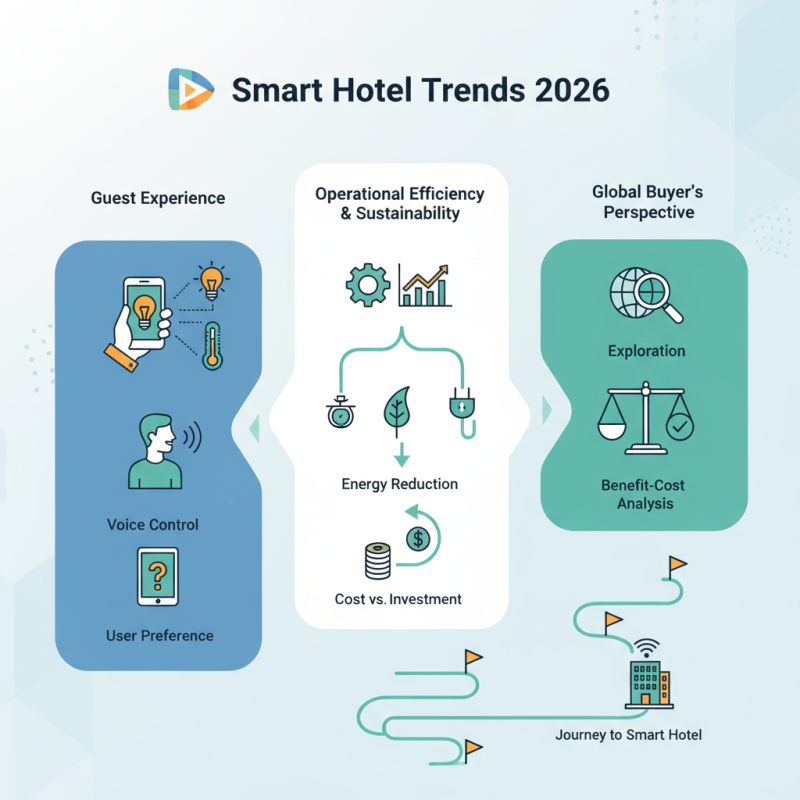
Consider the impact of smart room controls. Guests can adjust lighting, temperature, and even entertainment systems with their voice or a mobile app. This level of personalization wasn't feasible in traditional hotels. Yet, challenges remain. Not all guests feel comfortable with smart technology. Some may prefer a simpler experience, prompting hotels to strike a balance.
Furthermore, sustainability is a growing concern. Smart Hotels can reduce energy consumption through intelligent systems, but the implementation can be costly. As global buyers explore options, they must weigh the benefits against the financial implications. The journey to the perfect Smart Hotel experience is still being crafted, with lessons learned along the way.
Smart Hotel Market Overview: Growth Projections and Key Drivers for 2026
The smart hotel market is rapidly evolving. By 2026, significant growth is anticipated, driven by enhanced guest experiences and operational efficiency. With technology integration becoming paramount, hotels will increasingly adopt IoT devices to streamline services. Guests can expect personalized experiences crafted through data analytics. This shift not only improves satisfaction but also strengthens brand loyalty.
Sustainability will be a crucial driver. Many consumers today prioritize eco-friendly practices. Hotels that invest in energy-efficient systems and sustainable materials will attract a more conscious clientele. Digital check-ins and contactless services also hold immense potential. While these innovations enhance convenience, they may alienate guests who prefer human interaction. Balancing tech use with personalized service remains a challenge.
The global market will also see a rise in AI and machine learning applications. These tools can enhance operations but require careful implementation. Staff training is essential to ensure smooth adoption. Additionally, a heavy reliance on technology could pose cybersecurity risks. Regular audits and updates will be necessary to protect sensitive data. Focusing on these aspects will be vital for hotels aiming to thrive in 2026.
Top Technological Innovations Shaping Smart Hotels: AI, IoT, and Beyond
The hospitality industry is rapidly evolving. Smart hotels are at the forefront, integrating advanced technologies like AI and IoT. According to a recent report by Gartner, nearly 70% of hotels plan to enhance their digital presence by 2026. This shift is driven by the need for personalized guest experiences and operational efficiency. Hotels are increasingly leveraging AI to analyze customer data, optimize service delivery, and predict guest preferences.
IoT plays a pivotal role in creating seamless guest experiences. Smart room technology, such as temperature controls and lighting systems, can adapt to individual preferences. A study by Statista highlighted that 65% of travelers favor hotels equipped with smart technology. However, challenges remain. Many hotels struggle with the initial costs of implementing these systems. Integration of different technologies can also lead to operational hiccups. Hotel managers must remain vigilant to ensure smooth functionality while keeping up with innovations.
Security concerns are another significant issue. As hotels adopt smart technologies, they face increased exposure to cyber threats. A report by Cybersecurity Ventures predicts that the cost of cyber attacks on the hospitality sector could hit $25 billion by 2027. Therefore, while innovation is essential, hotels must prioritize data protection. Balancing technology adoption with security measures will be crucial for success in this evolving landscape.
Smart Hotel Trends 2026 Best Innovations for Global Buyers
| Innovation | Description | Impact Area | Expected Adoption Rate (2026) |
| AI-Powered Personal Assistants | Voice-activated systems that assist guests with bookings, inquiries, and room controls. | Guest Experience | 75% |
| IoT Room Integration | Smart devices in rooms that allow guests to customize their environment (lighting, temperature). | Room Customization | 80% |
| Mobile Check-In/Check-Out | Apps that facilitate contactless check-in and check-out processes for convenience. | Operational Efficiency | 85% |
| Robotics in Service | Use of robots for deliveries, cleaning, and guest assistance. | Service Improvement | 60% |
| Sustainable Energy Solutions | Implementation of solar panels and energy-efficient systems. | Sustainability | 70% |
| Virtual Reality Experiences | VR setups for showcasing hotel features and local attractions. | Marketing and Promotion | 65% |
Sustainability in Smart Hotels: Eco-Friendly Solutions Gaining Momentum
Sustainability is at the forefront of the smart hotel industry. By 2026, eco-friendly solutions are expected to gain even more traction. According to the Global Sustainable Tourism Council, nearly 70% of travelers now consider sustainability when making accommodation choices. This shift prompts hotels to innovate in environmentally friendly practices.
One major trend is the increased use of renewable energy sources. Hotels are installing solar panels and wind turbines to reduce their carbon footprint. Water-saving fixtures are now common as well, aiming to curtail excessive usage. According to a report by Deloitte, investments in green technologies in hotels rose by 44% last year. However, not all hotels are fully embracing these changes. Some still lag behind in adopting effective waste management strategies.
Tip: Implementing eco-friendly practices does not always require massive investment. Small changes, like switching to LED lighting, can significantly reduce energy consumption.
Moreover, digital solutions are enhancing sustainability efforts. Smart sensors manage lighting and HVAC systems, adapting to occupancy levels. Yet, there are challenges. Many hotels struggle with balancing costs and sustainable options. It’s crucial for decision-makers to evaluate the long-term benefits versus initial expenses.
Tip: Always analyze data from your hotel’s operations. This insight informs better decisions regarding sustainability investments.
Enhancing Guest Experience: Personalization Trends and Smart Amenities
The hospitality industry is evolving, focusing on personalized experiences and advanced amenities. Hotels are investing in smart technology to enhance guest comfort. Simple features, like mobile check-ins, are now standard. Guests appreciate the convenience of controlling room settings through their phones. This personalization can make a stay feel unique.
Hotels aim to tailor experiences based on guest preferences. Data analytics help identify what guests want. For example, guests might enjoy customized room scents or favorite refreshments on arrival. However, balancing privacy and personalization remains a challenge. Not all guests are comfortable sharing their data.
Innovative amenities are improving stay quality. Voice-activated assistants can simplify tasks and provide information. Smart lighting can create the perfect ambiance for relaxation. However, technology can sometimes malfunction, leading to frustration. The goal is to create seamless experiences, but flaws can highlight the need for improvement in system reliability.
Future Economic Impact: ROI Analysis for Global Hotel Investors in 2026
As we look toward 2026, the hospitality industry is evolving rapidly. Smart hotels will leverage advanced technologies to enhance guest experiences and operational efficiency. A recent report from the Global Hospitality Insights indicated that implementing smart technologies could increase a hotel's ROI by 20% to 25% over five years. This change is largely driven by consumers' growing expectations for personalized service and seamless connectivity.
Investors should consider the economic impact of these innovations. A well-integrated smart system can reduce operational costs by up to 30%. Automation in maintenance and energy management is key here. However, initial investments may pose a challenge. It's essential to analyze both short-term expenses and long-term returns carefully.
Tip: Focus on energy-efficient solutions as a starting point. They often lead to immediate savings.
Incorporating AI-driven data analytics can also refine marketing strategies, potentially boosting revenue by catering to individual guest preferences. However, not every property can afford these technologies right away. Consider a phased approach when implementing smart solutions. Test limited options to assess their impact before wider rollout.
Tip: Regularly evaluate technology performance and guest feedback to make informed improvements. This approach can reveal insights that guide future investments.
Smart Hotel Trends 2026: Innovations Impacting ROI