What is the Role of Agricultural Drones in Modern Farming?
In recent years, Agricultural Drones have emerged as vital tools in modern farming. With their ability to monitor crops and assess field conditions, they offer significant advantages to farmers. According to Dr. Sarah Johnson, an expert in precision agriculture, "Agricultural drones are revolutionizing how farmers approach crop management." This statement highlights the transformative impact of drones on the industry.
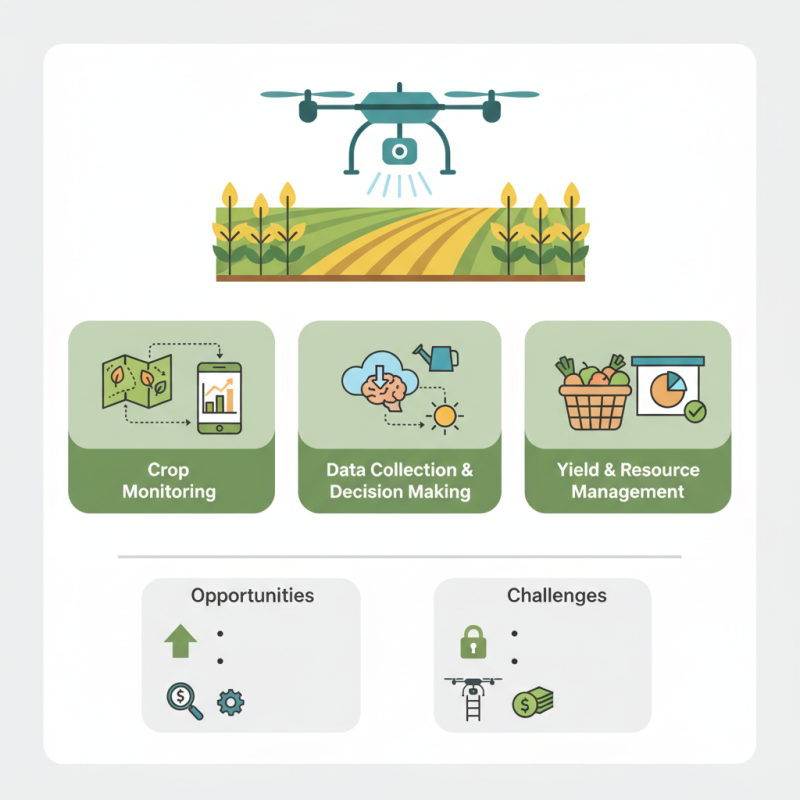
Agricultural drones enable farmers to collect real-time data on crop health. This information allows for more informed decision-making. Farmers can identify areas needing attention, leading to better yield and resource management. However, challenges remain in integrating this technology into traditional farming practices. Not every farmer has access to the latest drone technology or the training to use it effectively.
Moreover, the high initial cost of purchasing drones can be a barrier. While the benefits are clear, some might question whether these investments yield quick returns. As the industry evolves, continuous learning is necessary. Understanding how to fully utilize agricultural drones will determine their long-term impact in farming. As we delve deeper into this topic, we will explore both the opportunities and challenges that agricultural drones present in today's agricultural landscape.
Role of Agricultural Drones in Precision Farming Techniques
The role of agricultural drones in precision farming techniques has transformed modern agriculture. Drones equip farmers with the ability to monitor crop health, assess soil conditions, and optimize resource use. According to a report by MarketsandMarkets, the agricultural drone market is expected to grow from $1.2 billion in 2022 to $6.0 billion by 2027. This rapid growth highlights the increasing reliance on technology in farming.
Drones provide high-resolution aerial imagery that helps in identifying issues such as pest infestations or nutrient deficiencies early on. Studies show that using drone technology can improve crop yields by up to 15%. This means better productivity, potentially leading to higher profits for farmers. However, challenges still exist, such as the need for proper training and data interpretation skills. Many farmers may find the technical aspects daunting.
Tip: Start small with drone technology. Consider using drones for specific tasks like monitoring a limited crop area. This approach minimizes risk while allowing you to gain experience.
Integrating drones into farming does require substantial investment and training. Not every farmer has immediate access or expertise. The learning curve can be steep, which might hinder some from adopting this valuable technology. However, those who persevere often find remarkable benefits. Regular workshops and community support can help bridge this knowledge gap, making precision farming more accessible.
Advantages of Using Drones for Crop Monitoring and Assessment
Agricultural drones have transformed crop monitoring and assessment. These high-tech tools provide farmers with detailed aerial views of their fields. With high-resolution cameras, drones capture images that reveal crop health and soil conditions. Farmers can identify issues like pest infestations or nutrient deficiencies quickly allowing for timely interventions, reducing crop loss.
Using drones leads to more precise data collection. They can cover large areas in a short time, making them efficient tools for mapping and surveying. Farmers can analyze the collected data to make informed decisions. However, data interpretation can be challenging. It's essential to have expertise in agronomy and data analytics to gain meaningful insights. Misinterpretation may lead to poor decision-making.
Drones also reduce labor costs. They minimize the need for manual inspections, saving time and resources. Yet, reliance on technology has its drawbacks. Equipment can malfunction, and constant monitoring is necessary to ensure accuracy. Farmers must weigh the benefits against potential risks when integrating drones into their operations. Proper training and an understanding of drone capabilities are vital for successful implementation.
Impact of Drones on Pest and Disease Management in Agriculture
Agricultural drones are transforming pest and disease management in farming. A report from the American Farm Bureau Federation states that aerial imaging can increase pest detection rates by up to 80%. These drones efficiently capture high-resolution images of crops. Farmers can identify early signs of disease or pest infestations. Traditional methods often miss these subtle changes.
Data from a recent study shows that drones can reduce pesticide usage by 30%. Targeted applications minimize environmental impact. Despite these benefits, some farmers remain skeptical about adopting this technology. Challenges include the initial cost and the need for training. Understanding how to integrate drones into existing practices is crucial for success.
Moreover, the reliability of drone data depends on factors like weather conditions. Drones can struggle in high winds or rain. This limitation prompts farmers to use complementary methods alongside drones. Balancing technology with traditional inspection methods may yield the best results. The future of pest and disease management in agriculture may require a hybrid approach, blending innovation with tried-and-true practices.
Integration of Drone Technology with Other Farming Tools and Practices
Drones are revolutionizing modern agriculture, integrating seamlessly with traditional farming tools. These aerial devices provide real-time data, enhancing decision-making. According to a report by the American Farm Bureau Federation, drone use can lead to a yield increase of 10% or more. This is primarily due to improved monitoring of crop health and precise resource management.
Combining drones with sensors and GPS technology enhances soil analysis. Farmers can identify nutrient deficiencies quickly. This integration allows tailored fertilization. In a survey by the Agricultural Drone Market, 58% of farmers reported reduced input costs through such technologies. However, challenges remain, such as the need for technical training and data management skills.
Collaboration with other technologies, like satellite imaging, creates a comprehensive farming approach. Drones can complement these tools by providing localized insights, essential for informed decisions. Yet, the reliance on technology raises questions about the digital divide. Some farmers may struggle to adapt, highlighting the need for accessible training programs and resources.
Future Trends of Drone Usage in Sustainable Agriculture Practices
Drones are reshaping sustainable agriculture practices today. Their role extends beyond monitoring crops. These flying devices can assist in precision farming, providing farmers with essential data. High-resolution images can reveal soil health and plant stress levels. This enables targeted interventions that can save resources. However, the technology is still developing, and not all drones are user-friendly.
Future trends suggest increased integration of AI in drones. Farmers may utilize advanced analytics for better decision-making. Real-time data could optimize water usage and reduce chemical application. Nonetheless, reliance on technology might lead to gaps in traditional farming knowledge. It's crucial for farmers to balance tech use with time-tested practices.
Sustainability is key when considering drone usage. They can minimize environmental impact while enhancing productivity. However, the initial cost of implementing drone technology might discourage some individuals. Education and training on these tools will be vital. Making this necessary knowledge accessible to all farmers is essential for future growth.