What is a Position Sensor and How Does it Work?
Understanding the concept of a Position Sensor is essential in today's technology-driven world. A Position Sensor is a device that detects and measures the position of an object. It plays a crucial role in various applications, such as robotics, automation, and consumer electronics. These sensors transform physical movement into signals that can be interpreted by machines.
The functionality of a Position Sensor can vary significantly based on its type. For example, some sensors use potentiometers, while others may employ magnetic fields or optical systems. Each method has its advantages and challenges. These variations can lead to confusion, especially for those new to the topic.
The importance of these sensors cannot be understated. They enhance precision and control in systems where accurate positioning is key. Yet, despite their usefulness, people often overlook how integral they are. An understanding of Position Sensors can lead to better design and implementation in various fields. However, not every application may be straightforward. Issues like calibration and environmental factors can affect performance, requiring careful consideration.
What is a Position Sensor?
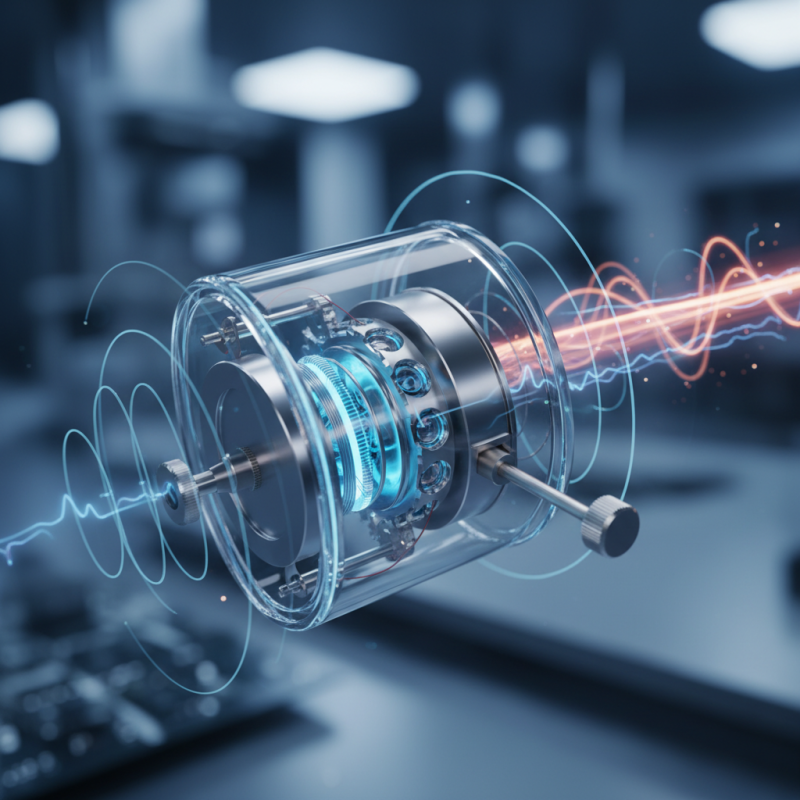
A position sensor is a device that detects the position of an object. It translates physical motion into an electrical signal. This signal can be used to control systems or provide feedback in various applications. Position sensors are crucial in robotics, automation, and industrial applications.
Many types of position sensors exist, including potentiometers, encoders, and magnetostrictive sensors. Potentiometers measure the change in resistance as the position shifts. Encoders convert angular or linear position into a digital signal. Magnetostrictive sensors utilize magnetic fields to determine position. Each type has its advantages and challenges.
The implementation of a position sensor can be complex. Factors like environmental conditions may affect performance. Calibration is often necessary to ensure accurate readings. In some cases, a sensor may not function as expected. This can lead to misinterpretations in critical systems. Understanding the limitations of position sensors is essential for effective use.
Types of Position Sensors: An Overview
Position sensors play a crucial role in various industries. They detect the position of an object and convert it into an electrical signal. This process enables accurate measurements and control. Various types of position sensors exist to cater to specific applications.
One common type is the potentiometer. Potentiometers are widely used for their straightforward design and cost-effectiveness. They convert changes in position into voltage variations. According to industry reports, the global potentiometer market is expected to reach $1.2 billion by 2027, reflecting a steady growth rate.
Another type is the Hall effect sensor. This sensor operates using magnetic fields and is known for its durability. It provides reliable performance in harsh environments. Research indicates that the Hall effect sensor market could grow significantly, driven by the automotive and aerospace sectors.
Inductive sensors are also popular. They detect non-contact position changes and excel in metal detection applications. Despite their advantages, the accuracy can be influenced by environmental factors. Thus, understanding the limitations of each sensor type is vital for optimal application.
How Position Sensors Measure Movement
Position sensors are crucial for measuring movement in various applications. These devices convert physical position or motion into measurable electrical signals. They can track linear or angular movement, depending on their design. By detecting changes in position, they provide data that helps in controlling systems effectively.
One common type of position sensor is the potentiometer. It uses a resistive element that changes resistance as the position changes. This simple mechanism allows for accurate measurement of how far an object has moved. Also, encoders are popular. They send signals that represent rotational movement. Each pulse corresponds to a specific angle of rotation. This makes them ideal for robotics and automation.
However, position sensors are not perfect. External factors can affect their accuracy. For example, temperature changes may alter readings. Calibration is crucial to maintain precise measurements. Sometimes, if not installed correctly, they may give misleading data. Understanding these limitations is essential for users to ensure reliable performance.
Applications of Position Sensors in Various Industries
Position sensors play a crucial role across various industries. They allow for precise measurements of an object’s position, enhancing automation and efficiency. In manufacturing, for instance, sensors are used in robotic arms. These devices require accurate positional feedback to operate effectively. Reports indicate that the industrial automation market will grow significantly. By 2025, it's projected to reach over $300 billion.
In the automotive industry, position sensors ensure safety and performance. They monitor the position of components like throttle and brake pedals. Accurate data leads to better responsiveness, which is vital for driver safety. A study found that 60% of automotive accidents stem from mechanical failures. Using position sensors can reduce these failures and improve overall vehicle reliability.
Tips: When selecting a position sensor, consider the environment. High humidity or dust can affect performance. Always check the sensor’s specifications for compatibility with your application. Also, remember that sensors can require calibration. Proper calibration ensures accurate measurements over time. These details can make a big difference in your project's success.
What is a Position Sensor and How Does it Work? - Applications of Position Sensors in Various Industries
| Industry | Type of Position Sensor | Application | Key Benefits |
| Automotive | Potentiometer | Throttle Position Monitoring | Precise control of engine performance |
| Aerospace | Magnetic Sensors | Control Surfaces Positioning | Enhanced flight safety and performance |
| Manufacturing | Optical Sensors | Robotic Arm Positioning | Improved precision and efficiency in production |
| Robotics | Incremental Encoders | Joint Angle Measurement | Real-time feedback and adaptability |
| Healthcare | Capacitive Sensors | Patient Position Monitoring | Enhances patient care and safety |
The Future of Position Sensor Technology and Innovations
The future of position sensor technology is bright and full of potential. Advances in materials and design are pushing the boundaries. For instance, sensors now use MEMS technology, which enables smaller and more accurate devices. This is great for compact applications in robotics and drones. However, the miniaturization process can sometimes compromise reliability.
Innovations in wireless technology are also shaping the future. Wireless position sensors reduce installation complexity and save on costs. They can be deployed in challenging environments. Yet, there are concerns regarding battery life and data integrity. Improving energy efficiency is essential for continuous operation.
Tip: When considering a position sensor, assess your specific application needs. Does accuracy outweigh complexity? Another tip is to stay informed about emerging technologies. Being updated can steer your projects in the right direction. Remember, the best technology is not always the most complex; sometimes, simplicity offers the perfect solution.