What are Mobile Robots and How Do They Work?
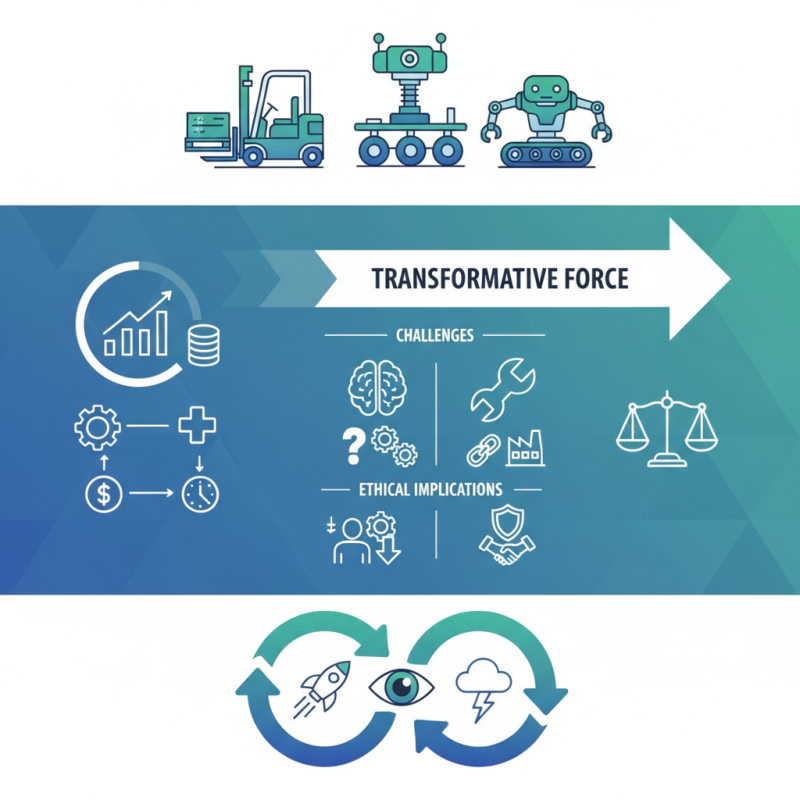
Mobile robots have emerged as a transformative force in numerous industries. According to the 2023 International Federation of Robotics report, the mobile robot market is expected to reach $40 billion by 2025. These robots enhance efficiency and reduce labor costs across various sectors, from manufacturing to healthcare. Industry expert Dr. Jane Smith states, "Mobile robots are revolutionizing how we think about automation and logistics."
Despite their potential, challenges remain. The integration of mobile robots into existing systems can encounter friction. Often, users question their reliability and adaptability. Issues like complexity and maintenance can deter some businesses from fully embracing these technologies. Additionally, not every operation may benefit immediately from deploying mobile robots, raising questions about feasibility.
Moreover, the ethical implications of automation cannot be ignored. Job displacement and worker rights are significant discussions within the mobile robot dialogue. As the sector grows, it invites both optimism and skepticism. Thus, understanding how mobile robots work and their potential impact is essential for navigating this evolving landscape.
What Are Mobile Robots: Definition and Types
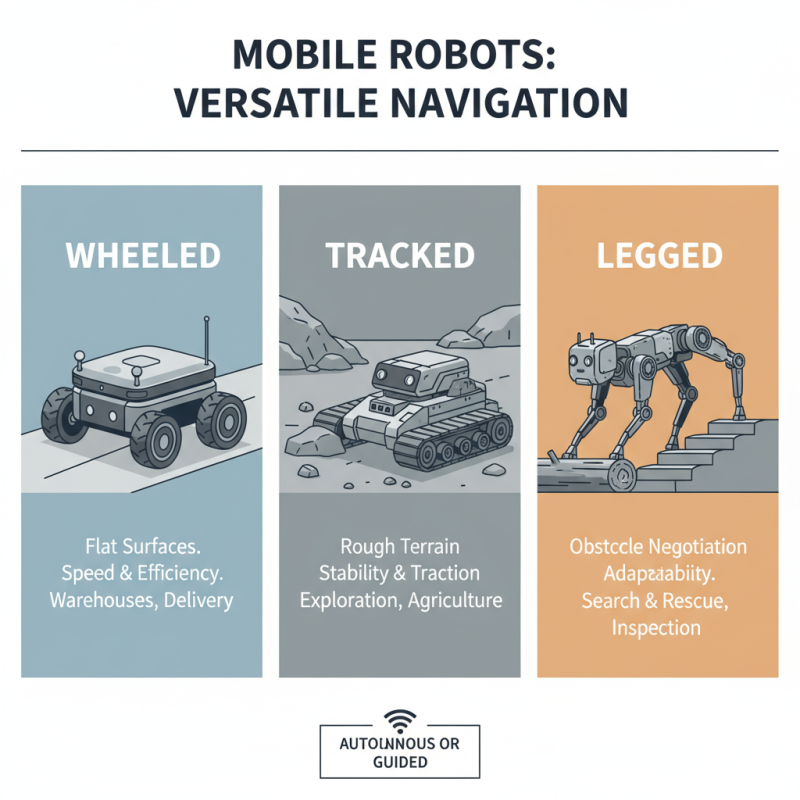
Mobile robots are versatile machines designed to navigate environments autonomously or with minimal human guidance. They come in various forms, including wheeled, tracked, and legged robots. Each type has its strengths, shaping their ideal uses. For example, wheeled robots excel on flat surfaces, while tracked robots are better suited for rugged terrains. Legged robots, although more complex, can traverse obstacles by mimicking animal movements.
Within the world of mobile robots, there are two main categories: autonomous and semi-autonomous. Autonomous robots can make decisions and move without human input. They are often equipped with sensors, cameras, and advanced algorithms. Semi-autonomous robots, on the other hand, require human oversight for navigation and decision-making. Both categories have specific applications, from warehouse logistics to healthcare settings.
Despite their advancements, challenges remain. Navigation in crowded environments can prove difficult. Sensors may fail to detect certain obstacles. Sometimes, robots misinterpret their surroundings. These imperfections highlight the need for continued development and research in robotics. The pursuit of better mobile robots is a journey filled with learning and adaptation.
Key Components of Mobile Robots: Sensors, Actuators, and Processors
Mobile robots are fascinating machines that navigate their environment autonomously. They rely on key components to perform their tasks efficiently. Understanding these components can enhance our knowledge of how these robots operate.
Sensors are crucial for mobile robots. They help the robot perceive its surroundings. Common sensors include cameras, ultrasonic sensors, and LIDAR. These devices gather data about the environment, allowing robots to detect obstacles and identify their location. It's important to regularly calibrate and maintain sensors for optimal performance. Neglecting this can lead to errors in navigation.
Actuators play a vital role in movement. They convert signals from the robot's processor into physical motion. Common types include motors and servos that control wheels or limbs. The choice of actuators can significantly impact the robot's efficiency and agility. Checking the actuator's response time can uncover improvement areas. Poorly chosen components may hinder performance.
Processors are the brains behind mobile robots. They analyze data from sensors and make decisions on movement. A robust processor can handle complex tasks, but it may not always communicate effectively with other components. Developers should test the entire system regularly to identify communication issues. An unresponsive robot often reveals underlying problems in processing or component interaction.
How Mobile Robots Navigate: Mapping and Localization Techniques
Mobile robots greatly rely on mapping and localization techniques to move effectively in their environments. These systems help robots understand their surroundings. They gather data using sensors. This data includes information about obstacles and paths.
One common technique is SLAM, which stands for Simultaneous Localization and Mapping. It helps robots create a map while keeping track of their location. Sensors such as LIDAR and cameras play a key role in generating accurate maps. However, sometimes the maps can be imperfect. Errors may creep in due to noise or changing environments. Robots must adapt to these changes.
Tips: Always test your robot in varying conditions. This helps in identifying its limitations. Also, remember that different sensors have strengths and weaknesses. Selecting the right sensor can drastically improve navigation. Robots can struggle in complex environments. Reflecting on their performance will lead to better outcomes.
Applications of Mobile Robots in Various Industries: Data and Trends
The integration of mobile robots into various industries is enhancing operational efficiency. According to a 2022 report by the International Federation of Robotics, the use of mobile robots in logistics is soaring. Companies are leveraging these technologies to streamline their supply chains. In fact, the market for logistics robots was valued at approximately $4.8 billion in 2021 and is projected to grow to $12 billion by 2026.
Manufacturing also benefits significantly from mobile robots. A report by McKinsey highlights that 75% of manufacturers are either using or plan to adopt robotic technology. The push towards automation is evident. However, companies face challenges in workforce adaptation and systems integration. The cost of implementation remains high, and employees may resist these changes.
Healthcare has seen increased deployment of mobile robots, especially for sanitization tasks. The COVID-19 pandemic accelerated this trend. A research report indicated that mobile robot use in healthcare could increase by 20% annually. Yet, the technology isn't without flaws. Issues related to navigation in complex environments persist. Frequent updates to software may also create operational disruptions. The future of mobile robots is promising, but important hurdles need to be addressed.
What are Mobile Robots and How Do They Work? - Applications of Mobile Robots in Various Industries: Data and Trends
| Industry |
Applications |
Market Share (%) |
Growth Rate (CAGR %) |
| Healthcare |
Delivery of medical supplies, patient monitoring |
30 |
15 |
| Manufacturing |
Material handling, assembly line automation |
25 |
10 |
| Retail |
Customer service, inventory management |
20 |
12 |
| Logistics |
Warehouse management, order fulfillment |
15 |
18 |
| Agriculture |
Crop monitoring, automated harvesting |
10 |
14 |
Challenges and Future Trends in Mobile Robotics: Market Growth Insights
The mobile robotics market is expanding rapidly. According to a report, the global mobile robotics market is expected to reach over $63 billion by 2026. This growth is driven by advancements in AI and automation. Industries such as logistics and healthcare are leading the demand. Companies are exploring new applications, but challenges remain.
There are significant hurdles to overcome. Integrating robots into existing workflows is complex. Safety concerns also loom large. For example, ensuring safe navigation in crowded spaces is critical. Moreover, many companies struggle with the high initial costs of implementation. This can deter investments in robotic solutions.
Tips: Start with pilot projects. Smaller implementations allow for testing in real conditions. Assess the results carefully. Also, consider staff training as a priority. Proper training enhances acceptance and efficiency. Embracing a culture of innovation can aid in overcoming barriers. The future looks promising, but adaptation is essential.