What is a Galvanized Nail and How is it Used?
Galvanized nails are a popular choice in construction and woodworking. These nails are coated with a layer of zinc to prevent rusting. The galvanized finish makes them last longer, especially in outdoor environments. They provide the necessary strength for various applications, from framing to roofing.
Using galvanized nails can enhance the durability of your projects. However, it is essential to consider the environment where they will be used. Not all galvanized nails are created equal. Some may corrode faster than others based on the coating quality. This inconsistency can lead to unexpected failures in critical structures.
Additionally, proper installation is crucial. Incorrect use of galvanized nails can undermine their effectiveness. Thus, understanding the right type and application is vital. A careful approach ensures you achieve the desired results while avoiding potential issues. Galvanized nails serve a significant role, but their limitations deserve attention.
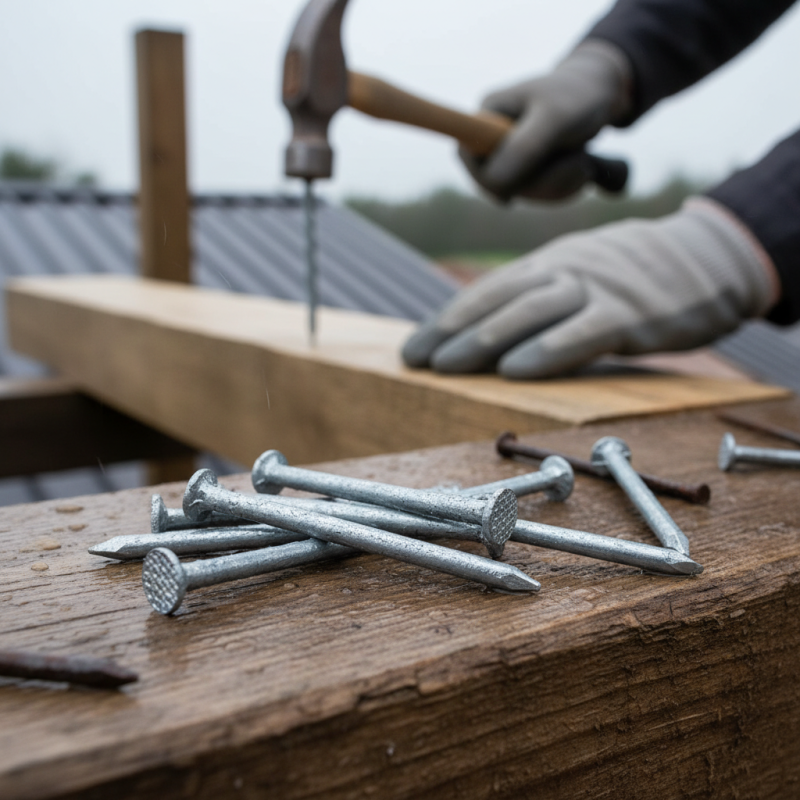
What is a Galvanized Nail?
Galvanized nails are essential in construction and DIY projects. They are made of steel and coated with a layer of zinc. This coating helps prevent rust. According to the National Association of Home Builders, using galvanized nails can increase the lifespan of your projects. The zinc layer acts as a barrier against moisture.
These nails are often used in exterior applications. Decking, fencing, and roofing all benefit from their durability. In fact, the American Wood Council states that galvanized nails can be up to three times more resistant to corrosion than untreated nails. This makes them ideal for outdoor constructions. However, care should be taken when applying them.
**Tips**: Ensure the nail size matches your project requirements. Overuse of larger nails can lead to splitting in wood. Additionally, check the manufacturer's specifications to confirm the corrosion resistance level. Not all galvanized nails perform equally in various environments. Use them wisely for lasting results to avoid future repairs.
What is a Galvanized Nail and How is it Used?
| Dimension | Description | Common Uses |
| Length | Typically ranging from 1 to 6 inches | Framing, roofing, and decking |
| Diameter | Common diameters range from 0.08 to 0.16 inches | Wood and metal connections |
| Coating | Zinc-coated for corrosion resistance | Outdoor projects and damp environments |
| Style | Commonly flat or round head | General construction and carpentry |
| Strength | High tensile strength for durability | Heavy-duty applications |
The Process of Galvanization Explained
Galvanization is a vital process that enhances the durability of nails. It involves coating steel or iron with a layer of zinc. This layer serves as a protective barrier against rust and corrosion. The process typically uses hot-dip galvanization, where the metal is submerged in molten zinc. Alternatively, electro-galvanization can also be applied, where zinc is deposited using electrical currents. Both methods effectively extend the nail's lifespan, especially in outdoor applications.
After galvanization, the nails exhibit a shiny, silvery appearance. This finish not only looks appealing but also signifies their resistance to the elements. However, it's worth noting that not all galvanized nails are created equal. The thickness of the zinc layer can vary. Thinner coatings may not provide sufficient protection in harsher environments. Users often need to choose nails based on the specific conditions they will face, like exposure to moisture.
In practical usage, galvanized nails find homes in construction, roofing, and fencing. They are often the preferred choice in projects exposed to the elements. However, homeowners may overlook the importance of selecting the right type of galvanized nail for specific tasks. This oversight can lead to premature failure and the need for costly repairs. Understanding the galvanization process can empower users to make informed decisions in their projects.
Usage of Galvanized Nails in Construction
This chart illustrates the usage percentage of galvanized nails across various materials in construction. The majority of usage is seen in wood applications, followed by concrete and metal. Galvanized nails are favored for their corrosion resistance, making them suitable for outdoor and exposed settings.
Common Uses of Galvanized Nails in Construction
Galvanized nails are essential in construction. Their zinc coating makes them resistant to rust. This quality is crucial for both indoor and outdoor projects. When exposed to moisture, they hold up well. Homeowners and builders often rely on these nails for various applications.
A common use for galvanized nails is in framing. They provide strong holds for beams and posts. Many choose them for roofing as well. These nails can withstand harsh weather conditions. However, improper installation can lead to issues. If not driven in correctly, they may not perform as expected. Some people overlook this detail, resulting in weaker structures.
They are also popular for decking. Galvanized nails secure boards tightly, creating a solid surface. Many types of wood decking benefit from these nails. Yet, some belief is that galvanized nails are foolproof. This is not completely true. Users need to consider the environment. Over time, even galvanized nails may corrode if conditions are severe. Careful planning can mitigate these risks.
Advantages of Using Galvanized Nails
Galvanized nails are steel fasteners coated with zinc for protection. They resist rust and corrosion, making them ideal for outdoor projects. The zinc layer shields the nail from moisture, and they are a solid choice for crafts, decks, and fences.
Using galvanized nails has several advantages. They extend the lifespan of projects; a simple roof can last decades with the right nails. Additionally, they can perform well under various weather conditions. Users often appreciate their durability; however, some may find they are more expensive than regular nails. It’s worth weighing the cost against longevity.
Installers may face challenges too. They should ensure proper alignment during use. Misplaced nails can lead to structural issues. It’s essential to remember that while they resist rust, exposure to saltwater can still cause problems. Overall, galvanized nails offer dependable performance when used correctly, but careful attention is needed.
Considerations When Choosing Galvanized Nails
When selecting galvanized nails, consider the environment where they will be used. Galvanized nails are coated with zinc to protect against rust and corrosion. However, not all galvanized nails are created equal. There are different grades of galvanization, so be aware of what suits your project best.
For outdoor applications, choose hot-dipped galvanized nails. They offer better protection against moisture. In contrast, electro-galvanized nails might rust more easily in humid conditions. Understanding these differences ensures your projects withstand the elements.
Tip: Always check the specifications for the zinc coating. A heavier coating usually means better corrosion resistance.
Another important factor is the nail size. Longer nails provide stronger hold, but they can split the wood if not used carefully. Misjudging the size can lead to weak structures. Pay attention to the material you’re working with when deciding nail length.
Tip: Test a few nails before a large project. This helps gauge how they perform in your specific materials.
Remember, using incorrect nails can lead to costly repairs later. It’s worth taking time to choose wisely.