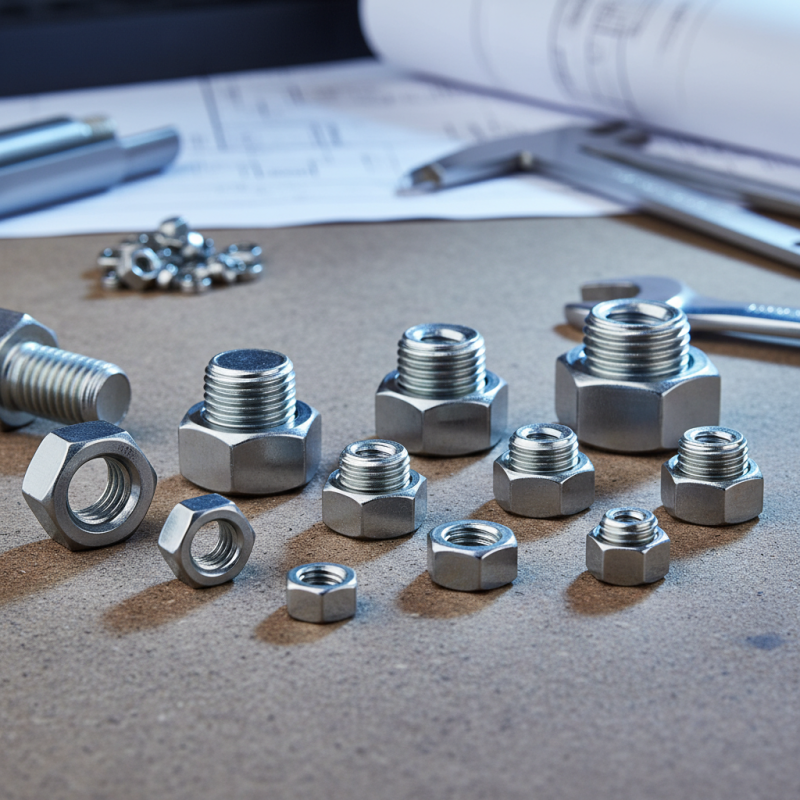
How to Choose the Right Stainless Hex Nuts for Your Project?
Choosing the right Stainless Hex Nuts for your project is crucial. These fasteners come in various sizes and materials, making selection challenging. It is essential to consider the specific requirements of your application.
Quality should be a priority. Stainless Hex Nuts are known for their corrosion resistance, but not all are created equal. You might find yourself facing a dilemma between price and durability. Striking the right balance is vital.
Additionally, remember that not all projects demand the highest grade of stainless steel. Sometimes, a standard option might suffice. Yet, overlooking the material specification can lead to unexpected failures. Paying attention to the details can make all the difference in your project’s success.
Understanding Stainless Hex Nuts: Types and Materials
When selecting stainless hex nuts, understanding the types and materials is crucial. Stainless hex nuts are primarily made of austenitic, ferritic, and martensitic stainless steel. Austenitic stainless steel, like 304 and 316 grades, offers excellent corrosion resistance. This level of protection is key, especially in harsh environments. According to industry reports, over 60% of stainless fasteners are made from austenitic stainless steel.
Ferritic stainless steels provide moderate corrosion resistance. They are less ductile but often more affordable. This option may fit lighter applications where cost is a concern but offers limited strength. Martensitic stainless steels, such as grade 410, provide high strength but are less resistant to corrosion. These materials may not be ideal for all projects, especially those exposed to moisture.
**Tip:** Assess the environment where the hex nuts will be used. This can impact your choice drastically. Another important factor is thread compatibility. Ensure that the hex nuts match your bolts for optimal performance. Remember that a lower-quality material may lead to failure under stress. Investing in the right nut can save time and resources later.
Stainless Hex Nuts Material Strength Comparison
Key Factors to Consider When Choosing Hex Nuts for Your Project
When selecting stainless hex nuts for your project, consider the material's grade. The grade affects strength and corrosion resistance. For instance, Grade 304 nuts are common, but they may not withstand extreme conditions. For harsher environments, Grade 316 offers better protection. Check which grade fits your needs best.
Thread size is another crucial factor. Ensure the hex nuts match with your bolts. Mismatched threads can lead to stripped fasteners. Measuring the diameter is simple but vital. Wrong dimensions can cause assembly failures. Consider the application to determine the right size for your project.
Be aware of the finish. Some hex nuts come with a smooth finish, while others are textured. A textured surface can improve grip when fastening. However, it may also attract dirt and debris over time. Think about where the nuts will be used. Will they be exposed to the elements? The choice of finish can impact the longevity of your project significantly.
Sizing and Thread Standards for Stainless Hex Nuts
When selecting stainless hex nuts, understanding sizing and thread standards is crucial. It influences fit and functionality in your project. Hex nuts come in various sizes, and choosing the right one can be challenging. Standardization helps simplify this process, but it can still be confusing.
Thread pitch is one important factor. It's the distance between threads. Standard sizes, like coarse and fine threads, are common in the industry. Coarse threads are stronger and easier to install, while fine threads offer better tension. Ensure you measure correctly to match your bolt.
Tips: Always check your bolt size first. Use calipers for precise measurements. Don’t choose a nut without considering the application. Thin materials may require finer threads. If in doubt, consult resources or professionals.
Understanding these details will make your selection process smoother. But remember, mistakes happen. Buying the wrong sizes is common. Don't hesitate to re-evaluate your choices before finalizing your project.
Applications of Stainless Hex Nuts in Various Industries
Stainless hex nuts are essential components in various industries. Their strength and corrosion resistance make them ideal for many applications. In the construction sector, they secure structural elements. These nuts hold beams and frames together, ensuring stability. Improper choice can lead to structural failure.
In the automotive industry, stainless hex nuts are crucial too. They are used in fastening major components like engines and transmissions. The harsh conditions can lead to rust in standard nuts. Stainless options help prevent such issues. However, not all projects require them. Some smaller applications may not need such durability, which can lead to overspending.
The marine industry relies heavily on stainless hex nuts. Saltwater can corrode regular metal parts quickly. Using stainless options extends the lifespan of equipment. However, selecting the right size and grade is critical. Too often, people overlook this detail. An incorrect choice could mean costly repairs. Each application has its requirements; careful consideration is necessary.
Best Practices for Installation and Maintenance of Hex Nuts
When installing hex nuts, ensure that the surfaces are clean and free of debris. A dirty surface can lead to poor fastening and premature failure. Use a wire brush or cleaner if necessary. Tightening should be done gradually and evenly across all nuts to avoid stripping threads.
Regular maintenance is key. Inspect the hex nuts periodically for signs of wear or corrosion. This can save time and money later. If you notice any damage, replace the nuts immediately. While stainless steel is corrosion-resistant, it’s not immune to all forms of environmental attack.
Always store hex nuts properly. Avoid exposure to moisture and extreme temperatures. It’s common to overlook storage conditions, but improper storage can lead to rust. Keep nuts in a dry, cool area. A good practice is to use labeled containers to prevent mix-ups.
How to Choose the Right Stainless Hex Nuts for Your Project? - Best Practices for Installation and Maintenance of Hex Nuts
| Dimension | Material | Coating | Usage | Maintenance Tips |
| M6 | Stainless Steel 304 | Plain | Light Duty Applications | Regular Cleaning to Prevent Corrosion |
| M8 | Stainless Steel 316 | Zinc Plated | Outdoor and Marine Use | Inspect for Rust and Clean with Mild Soap |
| M10 | Stainless Steel 316L | NiB Coated | Heavy Duty Applications | Keep Dry and Minimize Exposure to Saltwater |
| M12 | Stainless Steel 321 | Passivated | High Temperature Applications | Routine Inspections for Heat Distortion |