How to Choose the Right Damper Actuator for Your System?
Choosing the right Damper Actuator can greatly improve your HVAC system's efficiency. According to Sarah Thompson, an industry expert, "The right actuator makes all the difference." A damper actuator controls the airflow, impacting temperature consistency and energy use.
When selecting a damper actuator, consider the type of system you have. Different applications require different specifications. The actuator's torque, speed, and compatibility with the control system are crucial. Often, users overlook these aspects, leading to inefficient performance. A poorly chosen damper actuator can result in higher energy costs and discomfort.
Understanding the environment where the actuator will operate is essential. Extreme temperatures or humidity can affect performance. Many users may neglect this factor, resulting in failures. A bit of research and foresight can help avoid these pitfalls. A well-selected damper actuator enhances system reliability and efficiency.
Understanding Damper Actuators and Their Importance
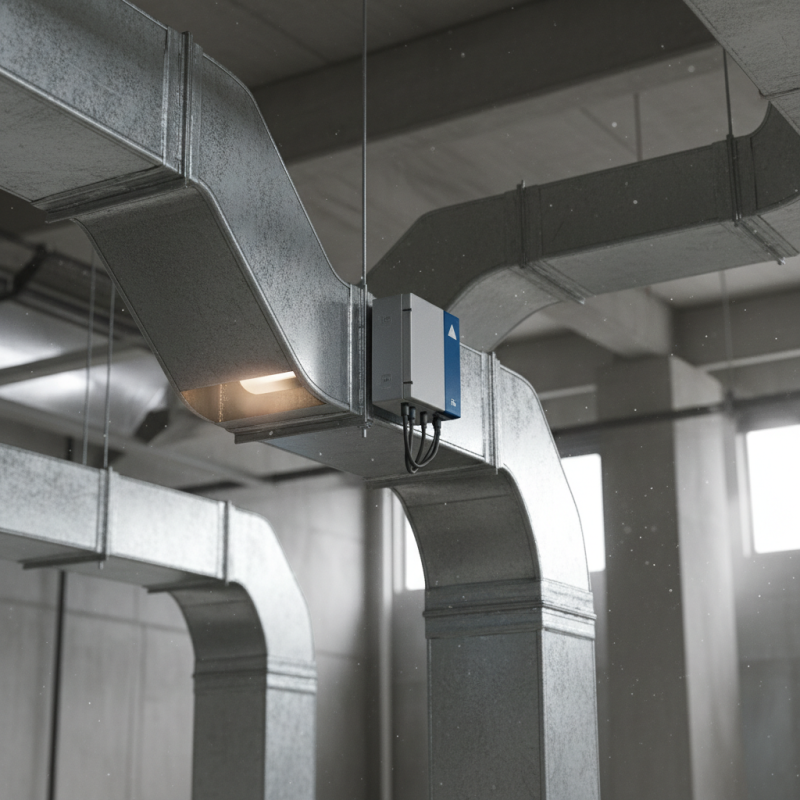
Damper actuators play a crucial role in HVAC systems. They control the flow of air through ducts and ensure optimal performance. Understanding how they operate can significantly enhance system efficiency. These devices use motors to open or close dampers, regulating airflow based on temperature or pressure requirements.
Choosing the right damper actuator can be challenging. Consider factors like the actuator's torque, speed, and control method. A mismatch could lead to inefficiencies or system failures. Sometimes, the actuator may struggle to meet the demands of a particular environment. For instance, a larger actuator may be needed for bigger ducts with heavy dampers.
Additionally, pay attention to maintenance. Regular checks can help avoid performance issues. Without proper care, even the best actuator can underperform. Sometimes, users overlook these details, thinking everything is fine until issues arise. Be proactive to ensure smooth operation and prevent costly repairs.
Evaluating System Requirements for Damper Actuators
Choosing the right damper actuator begins with understanding your system requirements. Factors like size, control type, and application environment are crucial. A small actuator might suffice for minor adjustments, while larger systems may need high-torque designs. Analyze how your actuator will interact with existing components.
Consider the control method. Digital controls provide precision. However, they may complicate installation and maintenance. If your system lacks a sophisticated network, simpler, analog actuators could be more suitable. Evaluate the environment too. High humidity or extreme temperatures can impact actuator performance.
**Tip:** Always check the actuator’s specifications against your system needs. This prevents mismatches.
Sometimes, system requirements are not clear. It's essential to rethink the initial assessment. Gather feedback from the team. This can reveal overlooked aspects. Getting input from operators can shed light on practical challenges they face with current systems. Always adapt based on real-world use.
**Tip:** Test in a prototype setting before full-scale implementation. This minimizes risks and uncovers hidden issues.
Evaluation of Different Types of Damper Actuators
Types of Damper Actuators and Their Applications
When choosing a damper actuator, understanding the types available is crucial. Pneumatic, electric, and hydraulic actuators serve specific applications. Pneumatic actuators are effective for quick responses. They function well in environments requiring high-speed operations. Electric actuators offer precision and scalability. They are suitable for systems needing controlled modulation. Hydraulic actuators support heavy loads and are often seen in industrial applications.
In a recent industry report, it was noted that the global market for damper actuators is projected to grow significantly, driven by increasing automation and demand for energy-efficient systems. Accurate selection based on operational requirements can enhance performance and efficiency. Too often, systems are downgraded due to inappropriate actuator choices.
Tips: Always consider the environment before selecting an actuator. Humidity and temperature extremes can impact performance. Ensure the actuator's torque output matches your system's needs. An underrated but vital aspect is installation space. Limited space may restrict actuator types. Choose logically and analyze results critically. Unanticipated issues can arise, leading to inefficiencies.
Key Specifications to Consider When Choosing a Damper Actuator
When selecting a damper actuator, several key specifications are crucial. One of the most significant factors is torque output. A typical damper actuator must deliver between 20 and 200 Nm of torque. This output directly affects the actuator's ability to manage airflow. Underestimating torque needs can lead to system failures or insufficient airflow control.
Another vital specification is the actuator's speed or response time. Industry studies show that a 35% faster actuator can enhance system efficiency by up to 15%. However, faster response times may also increase costs. Finding a balance between speed and budget is often challenging.
Moreover, consider the environmental conditions. Actuators designed for harsh environments may need additional protection. For example, actuators intended for outdoor use must be weatherproof. If this is overlooked, premature failure may occur. Evaluating these specifications ensures that the chosen actuator aligns effectively with the system requirements, reducing long-term operational issues.
How to Choose the Right Damper Actuator for Your System?
| Specification | Details |
| Actuator Type | Electric, Pneumatic, Hydraulic |
| Torque Rating | 10 Nm - 500 Nm |
| Voltage Options | 24V AC/DC, 120V AC, 230V AC |
| Control Signal Types | 0-10V, 4-20mA, PWM |
| Position Feedback | Potentiometer, Encoder, None |
| Protection Rating | IP54, IP65, IP67 |
| Operating Temperature | -10°C to 60°C |
| Control Mode | On/Off, Modulating |
Best Practices for Installation and Maintenance of Damper Actuators
When installing damper actuators, precision matters. Proper alignment and torque settings are crucial. Studies show that poorly installed actuators can decrease system efficiency by up to 20%. This inefficiency often leads to increased energy costs. Make sure you follow the manufacturer’s guidelines. They can provide essential torque specifications. Ignoring these instructions can result in actuator failures.
Regular maintenance is key to a functioning system. A study by the HVAC Industry Association found that 30% of actuator issues stem from lack of upkeep. Inspect for wear and tear every six months. Dust and debris can hinder performance. Cleaning is simple but often overlooked. Routinely testing actuator response time is also wise. Delayed reactions can indicate underlying problems.
Monitoring feedback from the damper actuators can help. Integration with building management systems enhances efficiency. Collecting data allows for predictive maintenance. This approach prevents failures before they happen. Strive for proactive strategies, but don’t expect perfection. Mistakes will occur, and learning is vital. Each setback offers a chance for improvement in your processes.