How to Choose the Right Automatic Fire Shutter for Your Needs?
Choosing the right Automatic Fire Shutter can significantly impact safety measures in any building. According to a report by the National Fire Protection Association (NFPA), fires cause billions in damages annually. Effective fire protection is crucial for minimizing loss and ensuring safety.
Automatic Fire Shutters provide essential barriers against smoke and flames. They can limit the spread of fire in commercial and residential spaces. However, not all shutters are the same. Factors like material, size, and activation methods differ. Many users overlook these details, which can lead to inadequate fire protection.
A study from the Fire Safety Engineering Group highlights that 50% of fire incidents are linked to improper equipment choice. Selecting an Automatic Fire Shutter requires careful consideration. Reflecting on specific needs will lead to better decisions and enhanced safety outcomes. Investing time in research can prevent future regrets.
Understanding Automatic Fire Shutters and Their Importance
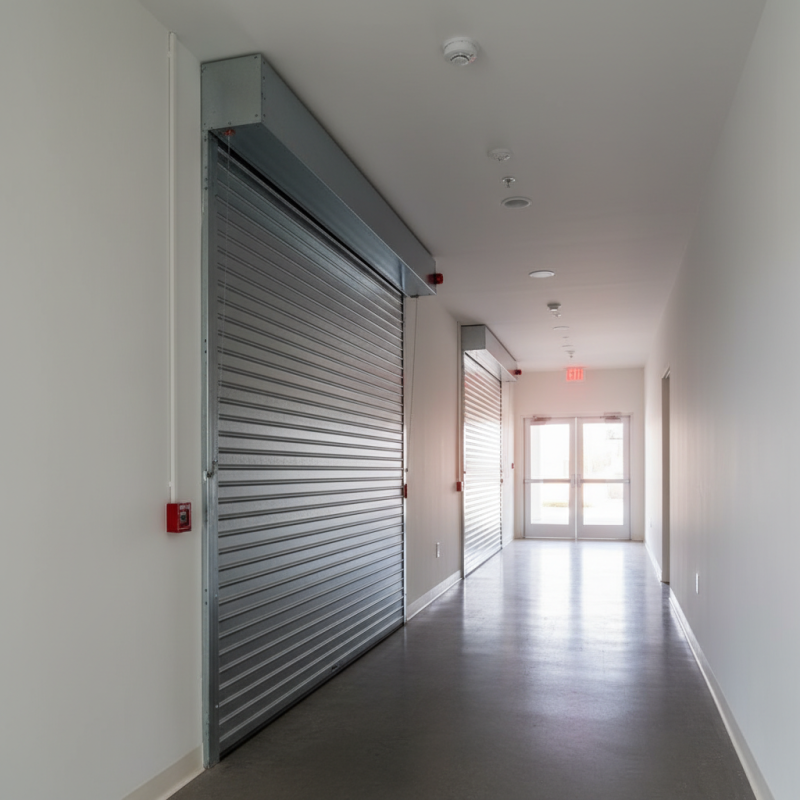
Automatic fire shutters play a critical role in building safety. They are designed to compartmentalize a fire, limiting its spread. This helps protect both lives and property. When in operation, these shutters can stop smoke and flames from traveling through hallways and into other rooms. Their effectiveness hinges on their ability to react swiftly to a fire alarm.
Choosing the right shutter is not easy. You must consider various factors, such as size, material, and installation method. Many options are available, each with unique strengths and weaknesses. Some modern shutters are faster but may lack durability. Others are robust yet slower to deploy. Evaluating these traits is essential for your specific needs.
People often overlook maintenance. Regular checks can prevent failure during an emergency. A shutter may seem perfect, but if it malfunctions, the consequences can be dire. It's vital to reflect on how often you assess your fire safety measures. Understanding these complexities can lead to better decision-making.
Key Factors to Consider in Fire Shutter Selection
Choosing the right automatic fire shutter is crucial for safety. Several key factors impact this decision. One significant aspect is the fire rating. According to the National Fire Protection Association (NFPA), selecting a fire shutter with an appropriate rating can reduce damage by 80%. It’s vital to assess the specific needs of your facility. If your building accommodates sensitive materials, you may require a higher fire resistance level.
Another important factor is the shutter’s size and design. A well-fitted fire shutter ensures proper closure during a fire. An ill-fitting shutter may fail, leaving areas vulnerable. Reports indicate that over 70% of fire-related injuries occur due to smoke, not flames. Therefore, proper sealing and design are essential for maximizing protection against smoke infiltration.
Lastly, consider the operational mechanism. Some fire shutters operate manually, while others are automatic. An automatic system may require less intervention, but it should be regularly tested. According to industry statistics, nearly 30% of automatic fire shutters fail during real emergencies due to poor maintenance. Regular checks and adherence to safety protocols can enhance reliability and effectiveness.
Types of Automatic Fire Shutters and Their Applications
When selecting an automatic fire shutter, understanding the types available is crucial. There are several common types: vertical, horizontal, and rolling shutters. Vertical shutters are often used in stairwells and corridors. They act as barriers to prevent smoke and flames from spreading. On the other hand, rolling fire shutters are ideal for large openings, like loading docks. These serve both security and safety functions.
A recent report indicated that rolling shutters can contain flames for up to 120 minutes. This is essential for buildings with high occupancy. However, the installation process can be challenging. It requires precision engineering and proper maintenance to function effectively. Many facilities fail to conduct regular checks, leading to failures during emergencies.
Horizontal shutters are less common but can be crucial in certain designs. They provide protection across expansive spaces. However, they may block access routes if not meticulously planned. The key is to balance safety and practicality. An industry survey revealed that 25% of users encountered issues with shutter accessibility. This statistic underscores the importance of considering fire shutters in the context of overall building safety and functionality.
Types of Automatic Fire Shutters and Their Applications
Installation Requirements for Fire Shutters: What You Need to Know
When considering fire shutters, installation requirements are crucial. Proper installation directly influences functionality and safety. According to the National Fire Protection Association (NFPA), ensuring compliance with local codes is essential. These codes can vary widely based on building use and location.
Understanding the space and environment is vital. Fire shutters must fit perfectly in designated areas. Gaps can lead to failures in fire containment. Inadequate seals allow smoke and heat to escape. The size and type of shutters matter, too. Overestimating space can cause costly adjustments later.
Assess the materials used in fire shutters. Certain materials resist higher temperatures better. The Fire Protection Research Foundation suggests choosing options based on the specific fire risk of your location. Not considering this can lead to improper safety measures. Regular inspections post-installation are also often overlooked. Without routine checks, even the best shutters may fail when needed most. It’s crucial to engage with professionals familiar with local regulations and fire safety standards.
Maintenance and Compliance for Your Automatic Fire Shutter
Maintenance and compliance are essential for automatic fire shutters. Regular checks ensure they function correctly during emergencies. Inspecting the mechanisms, sensors, and control systems is necessary. Dust and debris can hinder their operation. Take time to clean and test these components regularly.
Compliance with local fire safety regulations is crucial. Each region may have different standards for fire shutters. Ignoring these can lead to severe consequences. It’s advisable to keep detailed maintenance records. This can help demonstrate compliance during inspections. Understanding the specific needs of your building is important, too.
Sometimes, owners overlook small issues. A faulty sensor might go unnoticed until it’s too late. Regular training for staff on fire safety can improve readiness. They should know how to operate the shutters effectively. Reflecting on these aspects can lead to better safety outcomes in your establishment.