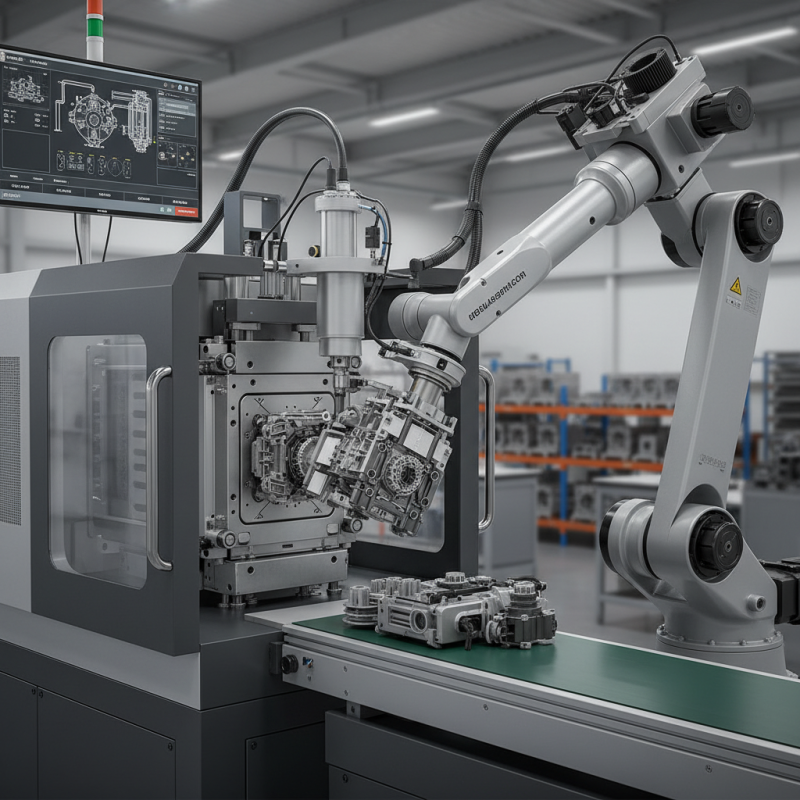
How to Choose an Injection Molding Machine With Robot?
Choosing the right Injection Molding Machine With Robot can significantly impact production efficiency. Automation improves precision and reduces labor costs. However, selecting the best machine is challenging.
Consider the specific needs of your production process. The size and type of parts you produce matter. Will the robot help in loading, unloading, or assembly? Focus on these details to make an informed decision.
It's essential to think about compatibility and integration. Not all molding machines and robots work seamlessly together. Sometimes, the ideal combination may not be available. Take time to evaluate different options and seek expert advice when needed. By doing so, you can optimize your manufacturing process effectively.
Consider Your Production Volume and Cycle Time Requirements
When selecting an injection molding machine, evaluating your production volume is crucial. Different production levels require unique machine capacities. For low-volume projects, a smaller machine might be sufficient. However, for high-volume demands, larger machines with advanced features are necessary. Consider how many parts you need each day. This number directly influences the machine you should choose.
Cycle time also plays a significant role in the decision-making process. A shorter cycle time maximizes productivity. Yet, pushing for speed can compromise quality. It’s vital to find a balance. If your parts require intricate designs, longer cycle times may be unavoidable. You might find that investing in automation can optimize this aspect. But remember, more automation can lead to greater costs.
Observe your current processes closely. Are you experiencing bottlenecks? Take note of how machines interact with robotic systems. Sometimes, the first choice might not be the best fit. Trial and error in choosing the right injection molding machine can lead to valuable insights. Taking the time to reflect on these factors will ensure you make an informed decision.
Injection Molding Machine Selection Data
| Production Volume (units/day) | Cycle Time (seconds) | Machine Type | Robot Integration |
| 500 | 30 | Hydraulic | 6-axis Robot |
| 1000 | 25 | Electric | SCARA Robot |
| 2500 | 20 | Hybrid | Collaborative Robot |
| 3500 | 15 | Electric | Cartesian Robot |
| 1500 | 18 | Hydraulic | 6-axis Robot |
Evaluate the Type of Materials and Parts to be Produced
Choosing the right injection molding machine is critical for efficient production. The materials and parts you plan to produce are key factors. Different materials have unique properties and processing requirements. For instance, thermoplastics often need higher temperatures than thermosetting plastics. Understanding these differences can significantly impact your machine selection.
When evaluating materials, consider their viscosity and melting point. A report by Grand View Research shows that thermoplastic materials dominate the market, holding about 60% of the volume share. Choosing a machine that accommodates these features is crucial. The machine’s screw design and heating capability must align with the material characteristics.
Tip 1: Conduct a thorough analysis of the materials you plan to work with. This includes understanding their flow rates.
Tip 2: Review case studies of similar parts produced in the industry. This can reveal potential challenges you may face.
Investment decisions can be complicated. Investing in a machine that doesn't match your material needs can lead to production issues. Reflect on your production goals and consider the lifecycle of your parts.
Analyze the Integration of Robotics with Injection Molding Systems
The integration of robotics with injection molding systems presents a new frontier in manufacturing. Robots can enhance precision and speed within production lines. They handle tasks that are often repetitive or hazardous for human workers. Employing robots can significantly reduce error rates and increase efficiency. However, companies must consider compatibility when selecting robots and molding machines.
Not all robotics systems fit perfectly with every injection molding setup. A mismatch can lead to inefficiencies or even machinery damage. Engineers need to analyze the specific demands of their production. This includes considering payload capacity, reach, and the types of materials used. Unforeseen challenges may arise during implementation. Staff training is critical to ensure that the workforce adapts to new technology effectively.
Furthermore, monitoring systems are essential for maintaining the integration. Data collection can help identify potential issues before they escalate. Organizations might struggle with the steep learning curve associated with advanced robotics. Finding the right balance between automation and human oversight remains complex. Continuous reflection on these challenges can guide businesses in making better choices.
Review the Energy Efficiency and Maintenance Costs of Machines
When selecting an injection molding machine with a robot, energy efficiency is crucial. Machines consume significant power during operation. Look for models designed for reduced energy use. A machine that saves energy can lower operational costs substantially. This is important for long-term savings and sustainability.
Maintenance costs must also be evaluated. Frequent breakdowns lead to high repair expenses. Simple designs are often easier to maintain. Invest in machines that require less frequent servicing. Regular maintenance can help prolong machine life. It can also minimize downtime, which is detrimental to productivity.
Choosing a machine involves juggling various factors. Machines that are energy-efficient may have higher upfront costs. However, their long-term savings can be significant. Assessing maintenance needs and costs helps avoid pitfalls. Reflection on what features are essential will guide your decision.
Energy Efficiency and Maintenance Costs of Injection Molding Machines with Robots
Assess the Ergonomics and Safety Features of the Machine-Robot Setup
When choosing an injection molding machine with a robot, ergonomics is key. A well-designed setup minimizes strain on operators. It should allow easy access to both the machine and the robot. Operators need a clear view of the process for safety. If visibility is restricted, it might lead to accidents. Always consider how the machine’s height impacts user comfort.
Safety features cannot be overlooked. Look for integrated safety systems that protect operators. Emergency stop buttons should be within reach. Protective guards around moving parts reduce risk. Robots should have sensors to prevent collisions. However, sometimes these features are not enough. Regular training on safety protocols is essential. Even with advanced systems, human error can happen.
Assessing ergonomics and safety must be ongoing. Regularly review the workplace setup. Feedback from operators can reveal hidden problems. This helps in making necessary adjustments. A comfortable and safe environment boosts productivity. But complacency can lead to issues. Continuous improvement should be the goal.