Why Choose Industrial Dynamic Checkweighers at Canton Fair 139?
The 139th Canton Fair is set to be a remarkable event, showcasing advancements in manufacturing and technology. Among the many innovations, Industrial Dynamic Checkweighers stand out as essential tools for ensuring quality and accuracy. These devices play a crucial role in various industries by providing precise weight measurements in real-time.
As buyers navigate the expansive 1.55 million square meters of the fair, they seek reliable suppliers with certifications like ISO and CE. The introduction of AI-driven search features enhances their experience, allowing for faster supplier identification. However, even with these advances, some exhibitors may still overlook the significance of checkweighing in their production processes. This can lead to inefficient operations and customer dissatisfaction.
Visitors should pay close attention to how Industrial Dynamic Checkweighers improve operational efficiency. They represent not only a technological advancement but also a commitment to product integrity. The integration of such innovations is critical in today’s market, where quality assurance is non-negotiable. Observing these systems in action could inspire reflections on current practices and highlight areas for improvement.
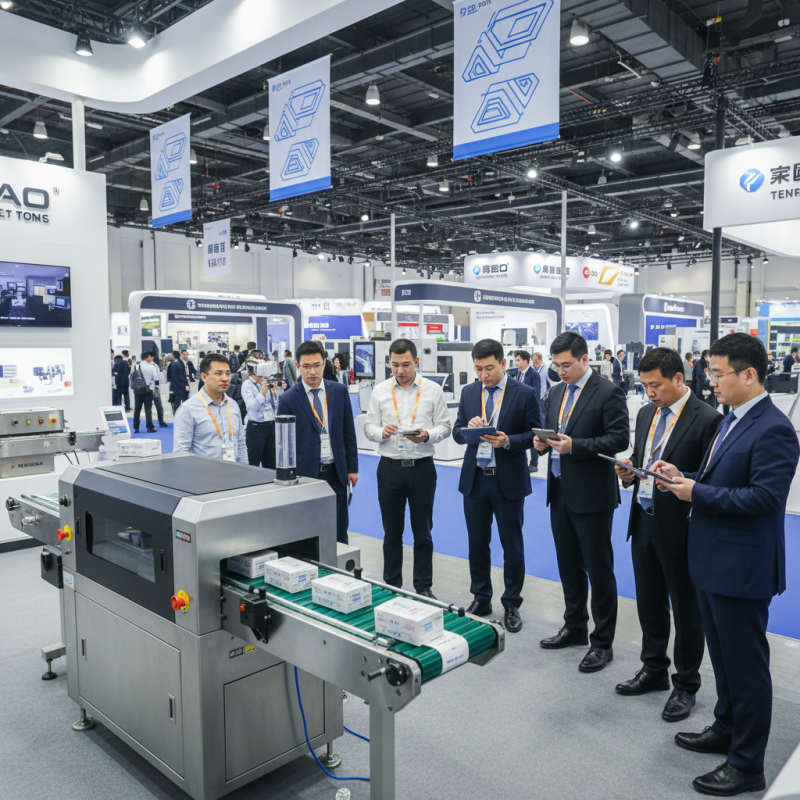
The Importance of Precision in Industrial Checkweighing
Precision plays a crucial role in industrial checkweighing. Research indicates that companies lose millions due to inaccuracy. A report by the Food and Drug Administration highlights that almost 20% of products fail compliance due to improper weight measurements. This can lead to regulatory fines and damaged reputations.
Accuracy in checkweighing affects product quality and customer satisfaction. When weights are off, it creates inconsistencies. A study showed that 30% of consumers would stop purchasing a brand after a quality incident. For manufacturers, this translates to lost sales and legal issues. The investment in dynamic checkweighers can mitigate these risks significantly.
Moreover, even a small error in weight can result in significant losses. A discrepancy of just 1% in a production line can yield over 10,000 defective products in a month. Companies must reflect on their current systems. Are they truly achieving the level of precision needed? Without proper checks, the consequences can be dire. Improving checkweigher technology could be the answer, but not every facility is doing enough.
Advantages of Dynamic Checkweighers Over Traditional Methods
Dynamic checkweighers offer significant advantages over traditional weighing methods. In industries where precision is critical, these machines provide real-time weight data with impressive accuracy. Reports indicate that errors in traditional weighing processes can reach up to 5%, leading to production losses. With dynamic checkweighers, the error margin is often reduced to less than 0.5%. This increase in accuracy enhances product quality and compliance with industry standards.
Another notable benefit is efficiency. Dynamic checkweighers can process products at speeds exceeding 200 pieces per minute. In contrast, manual or static weighing methods can only handle a fraction of that volume. This disparity means that manufacturers using dynamic systems can significantly increase their throughput and reduce bottlenecks in the production line. Industry data highlights a potential 15-20% boost in production rates when switching to dynamic systems.
However, it is essential to recognize potential challenges. The initial investment in dynamic checkweighers might seem daunting. Ongoing maintenance and calibration are also necessary to ensure they operate effectively. Companies must carefully assess their operational needs and budget constraints before transitioning from traditional methods. This reflection can help identify whether the long-term benefits justify the upfront costs.
Key Features of Industrial Dynamic Checkweighers
Industrial dynamic checkweighers are increasingly essential in manufacturing and packaging sectors. These devices ensure products meet weight specifications, reducing waste and improving quality. According to recent industry reports, improper weight can lead to significant financial losses, sometimes exceeding 5% of the total revenue. This illustrates the necessity of precise weight measurements.
The key features of industrial dynamic checkweighers include high-speed performance and accuracy. Capable of weighing items at rates up to 600 pieces per minute, they help maintain productivity. Advanced models offer a weight tolerance of ±0.5 grams, ensuring compliance with industry standards. Real-time data collection also enhances traceability. However, maintaining calibration can be a challenge. Companies often overlook this, leading to inaccuracies.
User-friendly interfaces are another important aspect. Operators can easily adjust settings and monitor performance. Some models offer touchscreen displays for intuitive navigation. While this seems ideal, training is crucial. Without proper guidance, employees may struggle. This could result in inefficiencies and errors during the production process, ultimately affecting overall output.
Applications of Checkweighers in Various Industries
In various industries, dynamic checkweighers play a crucial role in ensuring product quality. They are essential in food and beverage production. For instance, manufacturers need to ensure that each package contains the right amount. Even a slight overage can lead to significant costs. Underfilling creates unhappy customers. This demands accuracy during high-speed production.
Pharmaceutical companies also benefit from using checkweighers. Consistent weight measures are vital for compliance with regulations. A slight deviation in a medication's dosage can have serious consequences. In electronics, these machines ensure components are accurately weighed. Quality control is vital in assembly lines. Improperly weighed parts can lead to faulty products.
Using dynamic checkweighers is not without challenges. Operators need proper training to interpret results. Integrating these systems into existing lines may cause temporary downtime. Adjustments are often necessary to account for variations in product weight. Continuous monitoring can reveal trends, but data analysis can be overwhelming without the right tools. It's a constant journey of improvement and adaptation.
Why Choose Industrial Dynamic Checkweighers at Canton Fair 139? - Applications of Checkweighers in Various Industries
| Industry | Application | Benefits | Typical Products |
| Food & Beverage | Quality Control | Reduces product wastage | Packaged foods, liquids |
| Pharmaceutical | Batch Verification | Ensures dosage accuracy | Tablets, capsules |
| Cosmetics | Container Weight Check | Maintains brand integrity | Creams, liquids |
| Chemicals | Product Consistency | Compliance with regulations | Granules, powders |
| Logistics | Final Weight Check | Improves shipping accuracy | Parcels, freight |
Why Canton Fair 139 Is a Hub for Checkweighing Innovations
Canton Fair 139 has emerged as a leading hub for checkweighing innovations. This event showcases the latest advancements in industrial dynamic checkweighers. Attendees can explore cutting-edge technologies. These tools enhance accuracy and efficiency in packaging and production lines.
Dynamic checkweighers play a crucial role in quality control. They ensure that products meet weight specifications. This not only reduces waste but also increases customer satisfaction. The ability to quickly adapt to new standards makes these systems invaluable.
**Tip:** When selecting a checkweigher, think about integration. Ensure it can seamlessly fit into your existing process.
Canton Fair 139 attracts industry experts and innovators. This exchange of ideas fuels creativity. It’s a space for networking and collaboration. There are many options, but choices can feel overwhelming. You might find it challenging to pick the right solution.
**Tip:** Take note of what others are doing. Learn from their successes and failures. Reflect on how innovations can meet unique business needs.