How to Choose the Best Ceramic Mixer Machine for Your Needs?
Choosing the right ceramic mixer machine is crucial for achieving consistent quality in ceramics production. According to a recent industry report by Ceramics Journal, market growth for ceramic mixing technology is projected at 8% annually. This indicates that more manufacturers are recognizing the importance of precision mixing in their processes.
Experts like Dr. Emily Stanton, a leading figure in ceramics engineering, emphasize, “Selecting the right mixer can significantly enhance product quality.” The choice of a Ceramic Mixer Machine can influence everything from the uniformity of the clay mixture to the overall efficiency of production.
Yet, navigating the diverse range of options is not straightforward. Many companies struggle with selecting the ideal machine. It's essential to consider factors such as mixing capacity, power, and design. Some mixers may fit a budget but compromise on performance. A carefully evaluated choice is vital for long-term success in the ceramics industry.
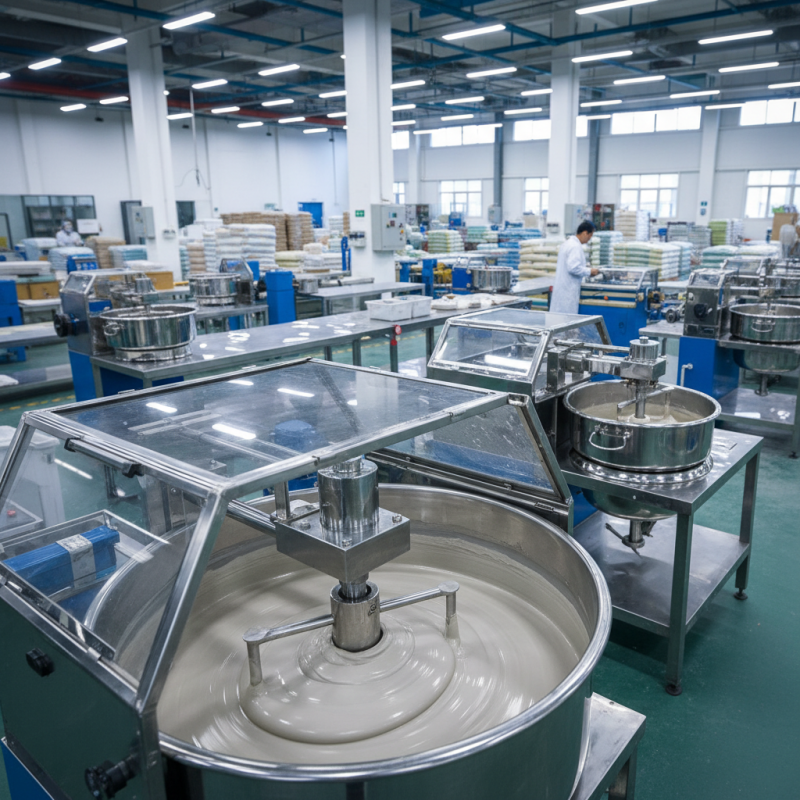
Understanding the Types of Ceramic Mixer Machines Available
Choosing the right ceramic mixer machine starts with understanding its various types. There are different models designed to meet specific needs. For instance, paddle mixers are popular for their versatility. They handle various materials, from clay to glazes. These machines are often favored by artisans for small batches.
Another option is the ribbon mixer, which excels at blending dry materials. This type can be a bit cumbersome. It may not be ideal for everyone. The design allows for quick mixing, but clean-up can be tricky due to its shape. Users may find residue left behind, which affects efficiency.
Batch mixers are also available and are perfect for larger projects. They combine materials in a contained chamber. Yet, they might require more space, which could be an issue. Consider your workspace before deciding. Each type has its advantages and drawbacks. Careful thought is essential to ensure you choose the right machine for your ceramic needs.
Key Features to Look for in a Ceramic Mixer Machine
When selecting a ceramic mixer machine, several key features emerge as essential. The capacity of the mixer should align with your production needs. A larger capacity may seem ideal, but it could lead to inefficiencies if you don’t always operate at full capacity. Consider your typical batch size carefully.
The power of the mixer impacts mixing efficiency and speed. Machines with adjustable speeds offer flexibility for various materials. Ensure the machine has a good torque rating. This feature influences how well it can handle dense or heavy mixtures.
Tip: Look for machines with easy-to-clean designs. This saves time and ensures consistent quality in future batches.
Durability is crucial. Ceramic mixers should withstand heavy usage and intense conditions. Materials used in construction are important. Steel components may provide longevity, but heavier machinery can complicate mobility.
Tip: Choose machines with a warranty. Warranties indicate a manufacturer’s confidence in their product. Be cautious of models with limited support options.
Ergonomics shouldn’t be overlooked. User-friendly controls can lead to better operational flow. Test the usability before making a decision. There's always room for improvement in the design of equipment. A model that feels awkward can become a hassle over time.
Assessing Your Specific Mixing Needs and Application
When selecting a ceramic mixer machine, understanding your specific mixing needs is crucial. Consider the materials you'll be mixing. For instance, are you working with clay, glaze, or plaster? Each material requires different mixing speeds and settings for optimal results. A machine designed for heavy clay may not be suitable for delicate glazes.
Think about the volume of your mixing tasks. Do you need a compact mixer for small batches or a larger one for extensive production? Size can impact efficiency and the quality of the mix. Some users find that a smaller machine heats up quickly, but might not blend uniformly. Reflecting on this can save time and frustration later on.
It's also important to consider the type of mixing action. Some machines provide a whirlpool effect, while others mix in a more straightforward motion. This affects how well materials combine. Experimenting with different settings can lead to mixed results. Don't hesitate to adjust your approach based on what you observe during mixing. Finding the right balance is often a process of trial and error.
Evaluating Budget and Cost-Effectiveness of Mixer Machines
When selecting a ceramic mixer machine, cost-effectiveness plays a vital role. Assessing your budget is crucial. Set a clear limit before you start shopping. A high price tag does not always guarantee the best quality. Sometimes, mid-range options provide excellent performance. Research is key to understanding what features you need versus what you can afford.
Consider the long-term costs, not just the initial price. Maintenance and repair expenses can add up. A less expensive machine might require more frequent repairs. Evaluate warranty options as they could save you money in the long run. Think about the energy efficiency of the machine, too. An energy-efficient model may cost more upfront, but it can reduce your monthly bills significantly.
Reflect on your unique needs. If your production volume is low, a heavy-duty mixer may not be necessary. A smaller, more affordable model might suffice. However, don’t overlook the potential for growth. If you anticipate an increase in production, investing in a more robust machine could be worthwhile. Prioritize features that align with your current and future requirements while staying within your budget.
Reading Reviews and Seeking Recommendations for Best Options
Choosing the right ceramic mixer machine can be overwhelming. Many options flood the market, each promising quality and efficiency. Reading reviews is crucial. They provide insights from real users, highlighting both pros and cons. A study from Market Research Future noted that user feedback significantly influences purchasing decisions in machinery.
Seeking recommendations from professionals can also guide you. Experts often have experience with various models. They can share details that aren’t always in the manual. For instance, they might point out the durability issues of certain mixers after regular use. Such insights matter. According to a recent survey, about 30% of users faced unexpected challenges with their initial choices.
When evaluating options, consider the material quality and functionality. Some users reported dissatisfaction due to unexpected maintenance costs. A good mixer should balance ease of use and performance. Most importantly, ensure it fits your specific needs. A poorly matched mixer can hinder your workflow and lead to frustration. Pay attention to these factors, and you’re more likely to find the right fit.
How to Choose the Best Ceramic Mixer Machine for Your Needs?
| Model | Capacity (L) | Power (W) | Speed Settings | Weight (kg) | Price ($) |
| Model A | 10 | 800 | 4 | 15 | 150 |
| Model B | 20 | 1200 | 6 | 20 | 250 |
| Model C | 15 | 1000 | 5 | 18 | 200 |
| Model D | 5 | 600 | 3 | 10 | 90 |
| Model E | 30 | 1500 | 8 | 25 | 350 |