China Best Autonomous Industrial Cleaning Robot Innovations and Trends?
The rise of the Autonomous Industrial Cleaning Robot marks a significant milestone in automation and innovation. China's advancements in this field showcase a blend of cutting-edge technology and practical application. These robots are designed to enhance efficiency and maintain cleanliness in various industrial settings.
Recent innovations include improved navigation systems and advanced sensing technologies. They can adapt to different environments while optimizing cleaning processes. Yet, challenges remain in their deployment. For instance, ensuring reliability in intricate spaces is still a work in progress.
Experts note that while these robots are transforming industry standards, issues such as maintenance and user training require attention. Eyewitness accounts reveal both the benefits and pitfalls of relying solely on automation. The future of Autonomous Industrial Cleaning Robots hinges on addressing these concerns while embracing continuous improvement.
Emerging Technologies in China's Autonomous Industrial Cleaning Robots
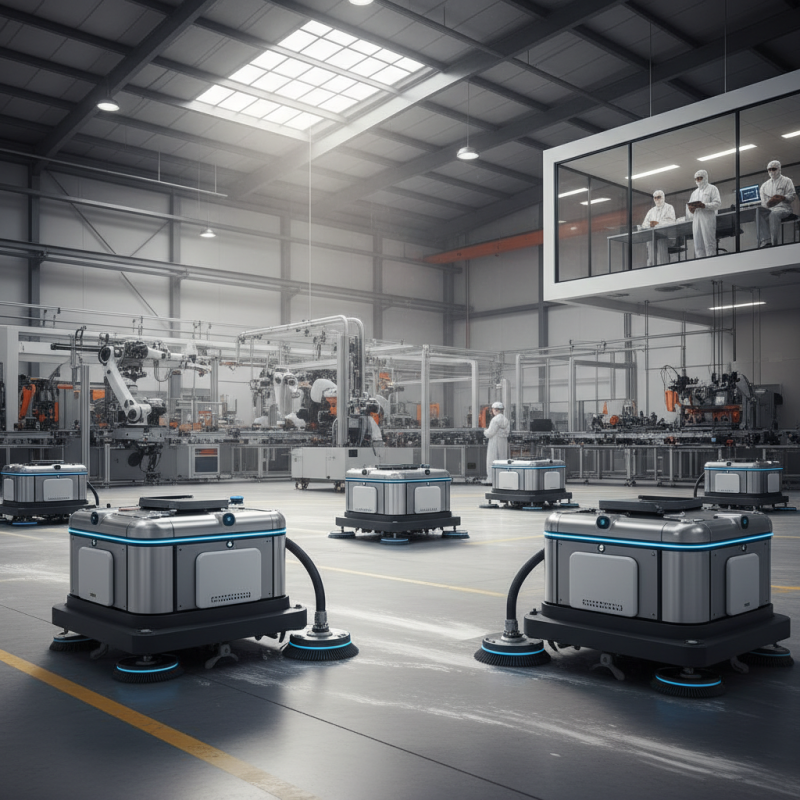
Emerging technologies in China's autonomous industrial cleaning robots illustrate remarkable advancements. These robots now utilize artificial intelligence to optimize cleaning processes. AI algorithms help them navigate complex environments with ease. They can learn patterns and adapt to various surfaces, ensuring efficient cleaning.
Additionally, the integration of IoT technology allows real-time monitoring. Users can track the robots through mobile apps. This connectivity enhances efficiency and fosters data-driven maintenance. However, reliance on technology may introduce challenges. Connectivity issues can lead to disruptions in service. Potential system failures require careful attention.
Furthermore, the use of advanced sensors improves performance. Robots can detect dirt levels and adjust their cleaning methods accordingly. While these innovations present numerous benefits, unintended complications may arise. For instance, over-reliance on automated systems may result in workforce displacement or reduced human oversight. Balancing technology and human involvement remains crucial in this evolving landscape.
Innovations and Trends in China's Autonomous Industrial Cleaning Robots
Key Features of China's Leading Autonomous Cleaning Robots
China's autonomous industrial cleaning robots have advanced rapidly in recent years. These innovations are enhancing efficiency across various sectors. A leading feature in many models is advanced navigation technology. This allows robots to map environments accurately. They can avoid obstacles and adapt to changing spaces with ease.
Another key aspect is their cleaning capabilities. Many robots utilize multiple cleaning modes. This includes sweeping, mopping, and disinfecting. Sensors detect dirt levels, enabling targeted cleaning actions. They often come equipped with powerful suction mechanisms to ensure thorough cleaning. Battery life is another consideration. Some models provide extended operation times, which is crucial for large facilities.
While these features are impressive, there are challenges to consider. Certain models struggle in complex layouts. Others may require frequent maintenance. User feedback indicates a need for improved interfaces. As technology advances, these areas need attention. Addressing them can enhance overall performance and user satisfaction. The journey towards perfecting autonomous cleaning solutions is ongoing.
Market Trends Driving the Adoption of Industrial Cleaning Robots in China
The adoption of industrial cleaning robots in China is witnessing remarkable growth. A recent report by the International Federation of Robotics projected that the market size for industrial cleaning robots in China will reach $1.5 billion by 2025. This surge is driven by increased labor costs and a focus on operational efficiency. Companies are investing in automation to maintain competitive advantages.
Additionally, the trend toward sustainability is shaping the market. Industries are seeking eco-friendly solutions. Automated cleaning robots often use less water and energy. Research indicates that these robots can reduce cleaning times by up to 60%. However, some companies face challenges in integrating these technologies with existing systems. Resistance to change and the initial investment cost can hinder adoption.
Furthermore, safety standards are becoming more stringent. The development of robots that comply with these regulations is critical. Reports suggest that 75% of businesses prioritize safety when selecting cleaning equipment. As the industry evolves, staying updated with the latest innovations in robotics will be essential. This ensures that businesses can choose the best solutions for their needs.
Comparison of Traditional Cleaning Methods vs. Autonomous Solutions
Traditional cleaning methods involve
manual labor, which can be time-consuming and labor-intensive. Workers must navigate
spaces, moving equipment while ensuring thorough cleaning. This approach often leads to
inconsistency, depending on the worker's
effort and skill. Human error can lead to missed spots or improper techniques, ultimately
affecting the overall cleanliness of a facility.
In contrast, autonomous cleaning robots
utilize advanced sensors and algorithms to map and clean environments efficiently. They can
operate continuously without fatigue, covering large areas uniformly. However, they are not
infallible; challenges include navigating complex layouts or dealing with unpredictable
obstacles. Regular maintenance and software updates are necessary to keep these robots
functioning optimally.
While both methods have their merits, choosing between them requires careful consideration
of specific environments. Budget constraints,
cleaning frequency, and the type of facility all play a role. There’s no one-size-fits-all
solution, and balancing efficiency with flexibility remains a pressing challenge.
Future Prospects and Innovations in Autonomous Cleaning Robot Industry
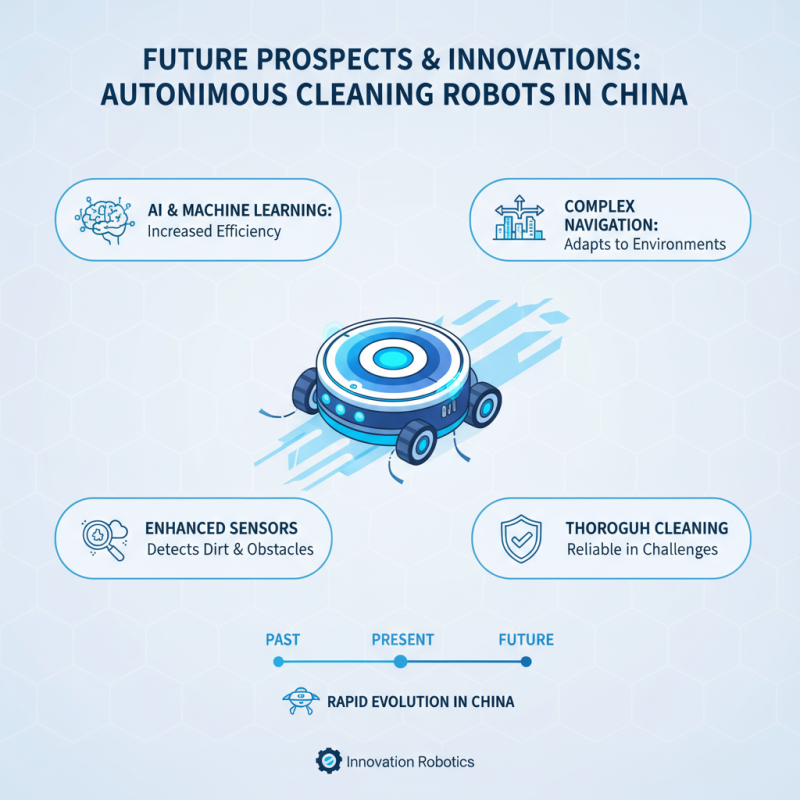
The future of autonomous cleaning robots in China is evolving rapidly. With advancements in artificial intelligence and machine learning, these robots are becoming increasingly efficient. They are capable of navigating complex environments and adapting to various cleaning tasks. Enhanced sensors allow robots to detect dirt and obstructions effectively. This ensures a thorough cleaning process, even in challenging settings.
However, challenges remain. Current models often struggle with understanding dynamic environments, like crowded spaces. Sometimes, they require human intervention for optimal performance. Moreover, concerns about data privacy and security in robotic systems continue to loom. As these machines collect and analyze data, ensuring this information is managed responsibly is crucial.
Innovation is also driving new designs and functionalities in cleaning robots. Companies are exploring eco-friendly options, using sustainable materials and energy-efficient technologies. Enhanced battery lives mean longer operation times without interruption. These trends indicate a shift towards more responsible industrial practices. Yet, the industry must address reliability and users' trust to foster further adoption.